vegetables

Sorrel Leaves (Gongura) Nutrition, Iron, Vitamin C & Liver Health Benefits

Last updated:
🌿 Iron Boost
Sorrel Leaves (Gongura) β€” Nutrition, Health Benefits & Remedies
Sorrel Leaves (Gongura) Nutrition, Iron, Vitamin C & Liver Health Benefits
⚠️ Medical Disclaimer: This content is for informational purposes only and does not constitute medical advice. Always consult a qualified healthcare professional for diagnosis and treatment.

🌿 Introduction

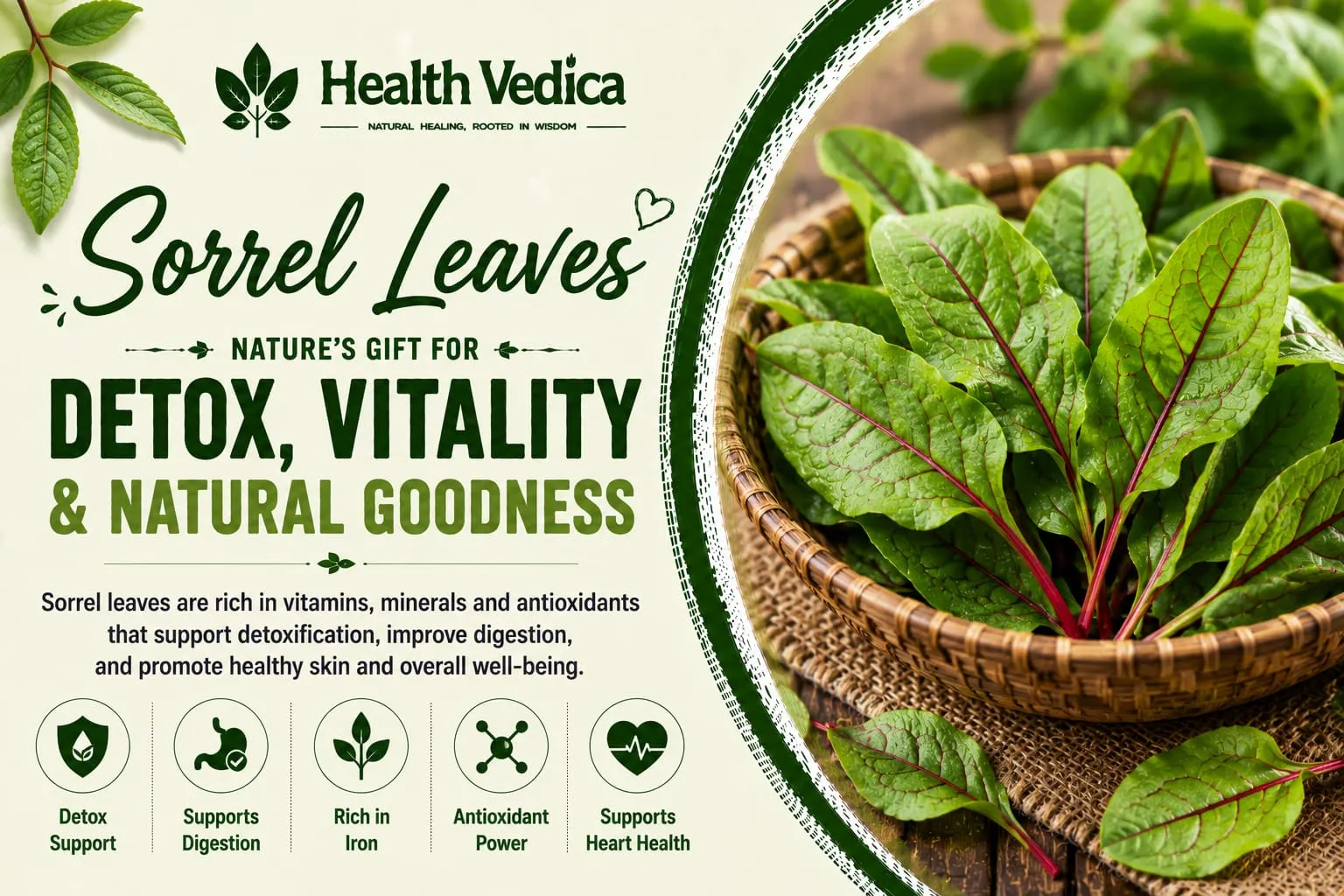
Sorrel Leaves, famously known as Gongura in Andhra Pradesh and Telangana, Ambadi in Maharashtra, Pitwaa in Hindi, and Pulichakeerai in Tamil Nadu, are tangy, deeply nutritious leafy greens with a distinctive sour taste. Gongura is one of Andhra Pradesh's most iconic and beloved ingredients, used in chutneys, pickles, and curries. These leaves are rich in iron, Vitamin C, calcium, and antioxidants, and have been used in traditional South Indian medicine for liver health, anemia, and digestion.

πŸ“Š Nutritional Value Per 100g

NutrientAmount% Daily Value
Calories22 kcal1%
Protein1.9 g4%
Carbohydrates3.2 g1%
Fat0.3 g0%
Fiber0.9 g3%
Vitamin C44 mg49%
Vitamin A2640 IU53%
Iron2.8 mg16%
Calcium90 mg9%
Phosphorus50 mg5%
Potassium390 mg11%
Oxalic AcidPresent (moderate)β€”

πŸ“‰ Glycemic Index

Sorrel leaves have a very low glycemic index due to their minimal carbohydrate content and high fiber and organic acid composition. They are completely safe and beneficial for diabetics and are used in traditional Ayurvedic nutrition to improve metabolic function.

πŸ•‰οΈ Ayurvedic Properties & Dosha Effect

In Ayurveda, Sorrel is considered Amla (sour), Tikta (bitter), Katu (pungent), and Ushna (slightly heating). It primarily pacifies Vata and Kapha doshas. It stimulates Agni (digestive fire), improves appetite, supports liver function, and is used as a blood purifier. Traditional practitioners in South India use gongura for treating anemia, poor appetite, liver sluggishness, and as a postpartum nutritive food.

πŸ’š Health & Healing Benefits

Sorrel leaves are nutritionally exceptional β€” they contain 2.8 mg of iron per 100g, paired with an impressive 49% DV of Vitamin C in the same food. This natural pairing dramatically enhances iron bioavailability since Vitamin C converts non-heme iron to its more absorbable ferrous form. This makes sorrel leaves one of the most effective plant foods for preventing and treating iron-deficiency anemia. Vitamin A (53% DV) supports immune function, eye health, and skin regeneration. The significant potassium content supports blood pressure regulation and kidney health. Sorrel's organic acids (oxalic and citric acid) act as natural digestive stimulants and liver tonics, promoting bile flow and liver detoxification. Its antioxidants protect against oxidative cellular damage. The anti-inflammatory properties of sorrel make it beneficial for joint pain and inflammatory conditions. Note: those with kidney stones, gout, or rheumatoid arthritis should consume sorrel in moderation due to its oxalic acid content.

πŸ› Indian Dietary Uses

Gongura is used in the iconic Gongura Chutney, Gongura Pickle (Pachadi), Gongura Mutton/Chicken (Andhra special), Gongura Dal, Gongura Rice, and Gongura Pappu. In Maharashtra, Ambadi chi bhaji is a popular preparation. In Tamil Nadu, Pulichakeerai kootu is commonly made with lentils.
❓ Frequently Asked Questions

Common questions about Sorrel Leaves (Gongura)

Yes, gongura contains both iron (2.8 mg/100g) and Vitamin C (49% DV) β€” a powerful natural combination that maximizes iron absorption and makes it highly effective for treating and preventing iron-deficiency anemia.
Gongura's distinctive sour taste comes from its organic acids β€” primarily oxalic acid and citric acid β€” which also act as natural digestive stimulants and liver tonics.
People prone to kidney stones (particularly calcium oxalate stones) should limit sorrel intake due to its oxalic acid content. Drinking plenty of water and pairing with calcium-rich foods when consuming sorrel helps minimize oxalate absorption.
Fresh gongura is most readily available in Andhra Pradesh, Telangana, and parts of South India. It is increasingly available in Indian grocery stores across India and internationally, or can be found dried or as a paste/chutney in packaged form.
Related Blogs
Vitamin C Rich Foods India Blogs
Jul 14, 2026
Vitamin C Rich Foods India
🍊 India's Best Vitamin C Sources Aren't Citrus FruitsWhen people think of vitamin C, oranges and le...
Read More
Best Foods for Liver Detox Blogs
Jul 14, 2026
Best Foods for Liver Detox
🧬 Your Liver: The Hardest Working Organ You Never Think AboutYour liver is one of the most importan...
Read More
Foods That Help You Sleep Better Blogs
Jul 14, 2026
Foods That Help You Sleep Better
😴 IntroductionIndia is in the midst of a serious sleep crisis. A 2024 national survey found that 93...
Read More
Oats vs Dalia Comparison Blogs
Jul 14, 2026
Oats vs Dalia Comparison
πŸ₯£ Imported Superfood vs Traditional StapleOats arrived in Indian kitchens as an imported 'health fo...
Read More
80-20 Diet Rule India Blogs
Jul 14, 2026
80-20 Diet Rule India
πŸ₯— What Is the 80-20 Diet Rule?The 80-20 diet rule is a flexible eating strategy where approximately...
Read More
Best Foods for Gut Health Blogs
Jul 14, 2026
Best Foods for Gut Health
🫁 IntroductionGut health is the #1 trending health topic globally in 2025 and 2026 β€” and for very g...
Read More
Foods That Should Not Be Eaten Together Blogs
Jul 14, 2026
Foods That Should Not Be Eaten Together
🍽️ Food Combining: Ancient Wisdom or Modern Myth?Almost every Indian household has food rules passed...
Read More
Antioxidant Rich Foods India Blogs
Jul 14, 2026
Antioxidant Rich Foods India
πŸ›‘οΈ What Are Antioxidants?Antioxidants are natural compounds found in foods that help protect the bod...
Read More
Best Foods for Strong Teeth & Gum Health Blogs
Jul 14, 2026
Best Foods for Strong Teeth & Gum Health
🦷 India's Oral Health CrisisOral diseases affect nearly 95% of Indian adults, according to the Indi...
Read More