🌿 Introduction
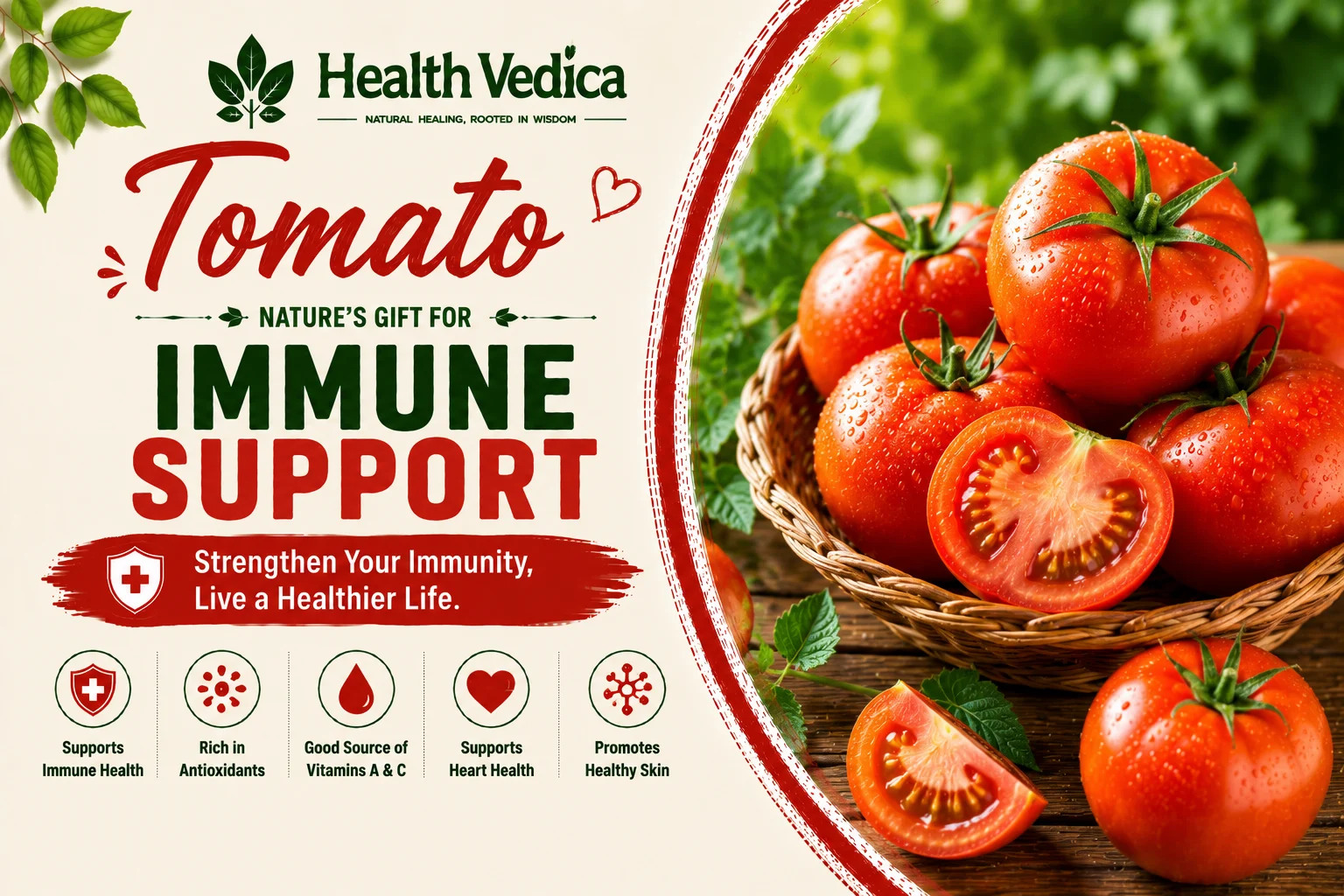
Tomato, known as Tamatar in India, is botanically a fruit but nutritionally and culinarily treated as a vegetable. It is one of the most consumed and studied foods in the world, celebrated for its extraordinary lycopene content — a carotenoid antioxidant with powerful cancer-fighting and heart-protective properties. Tomatoes are the foundation of Indian gravies, chutneys, and curries, and are available year-round across the country.
📊 Nutritional Value Per 100g
| Nutrient | Amount | % Daily Value |
|---|---|---|
| Calories | 18 kcal | 1% |
| Carbohydrates | 3.9 g | 1% |
| Protein | 0.9 g | 2% |
| Fat | 0.2 g | 0% |
| Fiber | 1.2 g | 4% |
| Vitamin C | 14 mg | 16% |
| Vitamin A | 833 IU | 17% |
| Vitamin K | 7.9 mcg | 7% |
| Folate | 15 mcg | 4% |
| Potassium | 237 mg | 7% |
| Lycopene | 2573 mcg | — |
| Beta-Carotene | 449 mcg | — |
📉 Glycemic Index
Tomatoes have a very low glycemic index of 15 and minimal carbohydrate content, making them one of the most diabetes-friendly foods available. They can be consumed freely by diabetics and are actually beneficial for blood sugar regulation due to their chromium content.
🕉️ Ayurvedic Properties & Dosha Effect
In Ayurveda, tomatoes are considered Amla (sour) in taste and Ushna (heating) in potency. They primarily aggravate Pitta and Vata doshas when consumed raw or in excess. Cooking tomatoes with ghee, turmeric, and cumin makes them more Pitta-friendly. Ripe tomatoes are preferred over unripe green tomatoes in Ayurvedic cooking for better digestion.
💚 Health & Healing Benefits
Tomato is the richest dietary source of lycopene, a powerful carotenoid antioxidant that is particularly effective in reducing the risk of prostate cancer, breast cancer, and lung cancer. Importantly, cooking tomatoes with oil significantly increases lycopene bioavailability — making Indian tomato-based curries cooked in oil among the most beneficial lycopene-rich preparations. Lycopene also reduces LDL cholesterol oxidation, protecting against atherosclerosis and heart disease. Tomatoes support skin health by protecting against UV damage. Their Vitamin A (beta-carotene) content supports eye health and reduces the risk of macular degeneration. Tomato consumption is linked to reduced blood pressure and improved vascular function.
🍛 Indian Dietary Uses
Tomatoes are used as the base for most Indian curries, gravies, dals, and chutneys. Tomato rasam (South India), tomato soup, tomato rice, and fresh tomato salad are popular across India. Cooking tomatoes in oil maximizes their lycopene benefits.