🌿 Introduction
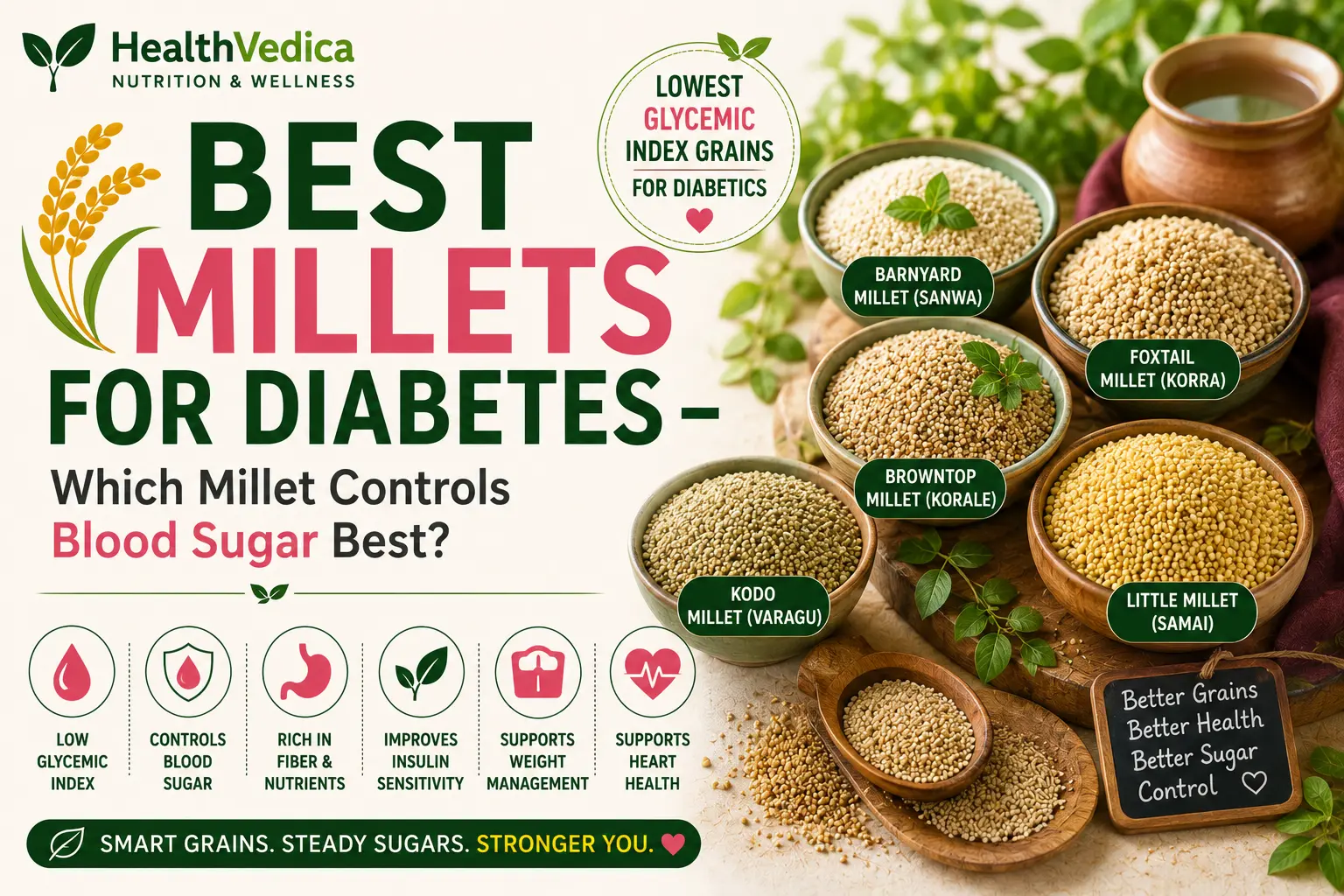
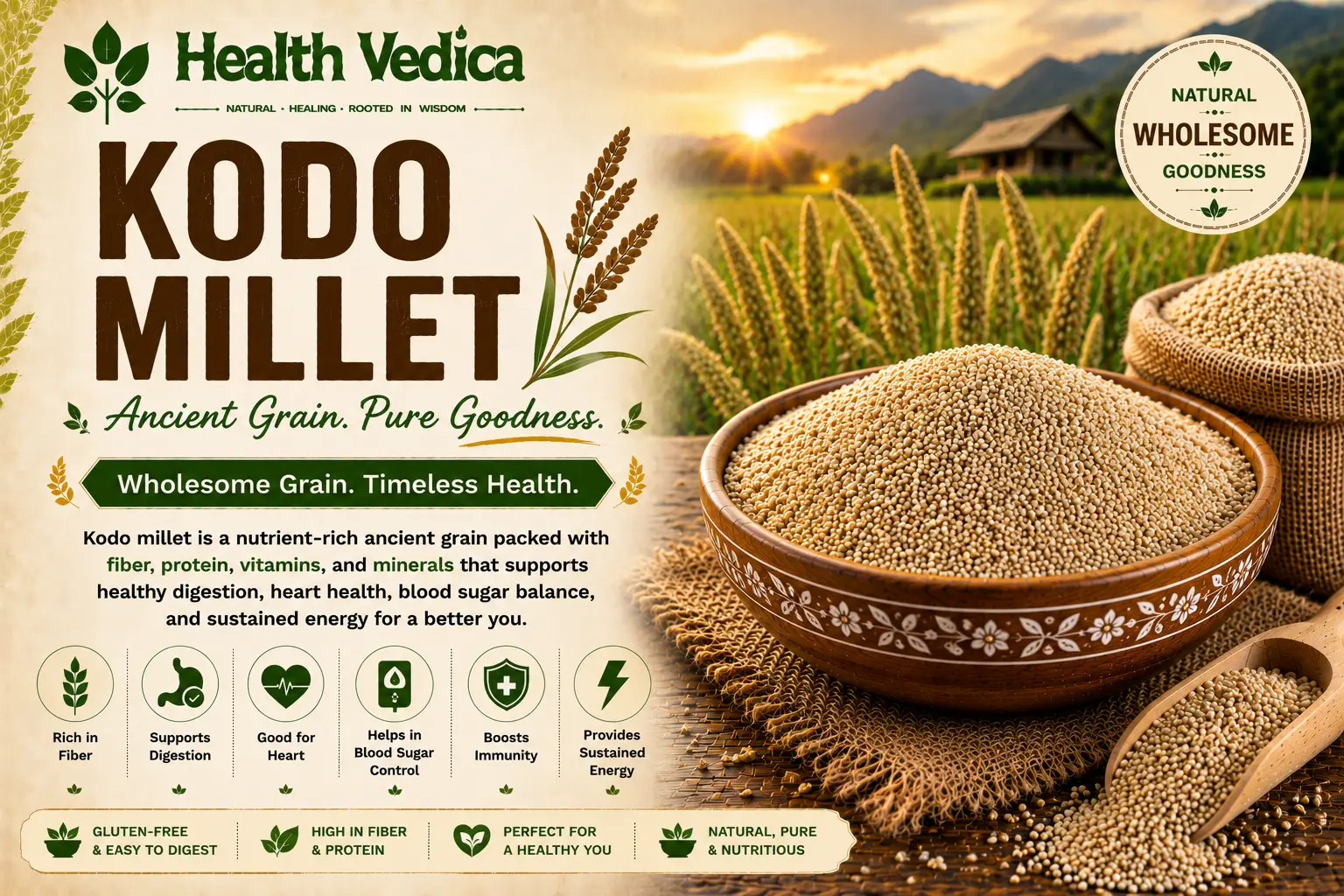
Kodo millet is an ancient grain native to tropical Asia, particularly thriving in the dryland regions of India. It is known as Varagu in Tamil, Kodra in Hindi and Marathi, Hark in Uttarakhand, and Arikelu in Telugu. Cultivated extensively in Madhya Pradesh, Chhattisgarh, Gujarat, and Tamil Nadu, Kodo millet is a drought-resistant, climate-resilient crop that has sustained rural and tribal communities for thousands of years. It is particularly valued for its anti-diabetic properties and extraordinary antioxidant content.
🔬 Nutritional Value Per 100g (Raw Kodo Millet)
| Nutrient | Amount | % Daily Value |
|---|---|---|
| Calories | 309 kcal | 15% |
| Carbohydrates | 59.2 g | 22% |
| Protein | 8.3 g | 17% |
| Fat | 1.4 g | 2% |
| Fiber | 9.0 g | 32% |
| Iron | 0.5 mg | 3% |
| Calcium | 27 mg | 3% |
| Polyphenols | Very High | — |
| Antioxidants (DPPH) | Exceptionally High | — |
| Phosphorus | 188 mg | 19% |
📊 Glycemic Index
Kodo millet has a very low glycemic index of approximately 48–52. Research specifically on kodo millet has demonstrated significant blood sugar reduction in diabetic subjects. It has among the highest fiber content of all millets, directly contributing to its exceptional glucose regulation ability.
🌿 Ayurvedic Properties & Dosha Effect
In Ayurveda and Siddha medicine, kodo millet (varagu) is classified as a grain that pacifies Kapha and Pitta doshas. It is considered light, astringent, and detoxifying. Tamil Siddha medicine specifically recommends varagu for managing diabetes, liver disorders, and skin conditions. It is believed to purify blood and support liver function.
✅ Health & Healing Benefits
Kodo millet contains exceptionally high levels of polyphenols and antioxidants, particularly ferulic acid, catechins, and tannins. These compounds neutralize free radicals, reduce inflammation, and protect against oxidative stress-related diseases. Scientific studies have shown kodo millet significantly reduces blood glucose levels, insulin resistance, and HbA1c. Its high fiber (9g/100g) makes it one of the best millets for digestive health, cholesterol management, and weight control. The polyphenols specifically support liver protection and detoxification.
🍲 Indian Dietary Uses
Kodo millet is used to make varagu rice, varagu idli, varagu dosa, kodo millet khichdi, millet roti, and traditional tribal porridges. In Tamil Nadu, it is used for festival foods and as a rice substitute in everyday cooking. In Chhattisgarh, it is used in traditional tribal fermented preparations.
💡 Liver Protective Kodo Millet Khichdi
Prepare kodo millet khichdi with moong dal, turmeric, cumin, and a generous amount of ghee. This combination supports liver health, reduces inflammation, and provides complete protein from the grain-legume combination. Consume for lunch for maximum digestive benefit and liver protection.
💡 Smart Tips
Kodo millet has a slightly bitter husk — soak overnight and drain the water before cooking to reduce bitterness. Cook with a 1:3 ratio (millet:water). It is one of the few millets that benefits significantly from longer soaking. Mix with urad dal to make kodo millet idli batter for a nutritionally superior idli.
⚠️ Important Note
Kodo millet grain infected with the fungus Claviceps pusilla (sclerotia) can cause a condition called kodo poisoning. Always purchase certified, clean kodo millet from reputable suppliers and store properly to avoid fungal contamination.