🌿 Introduction
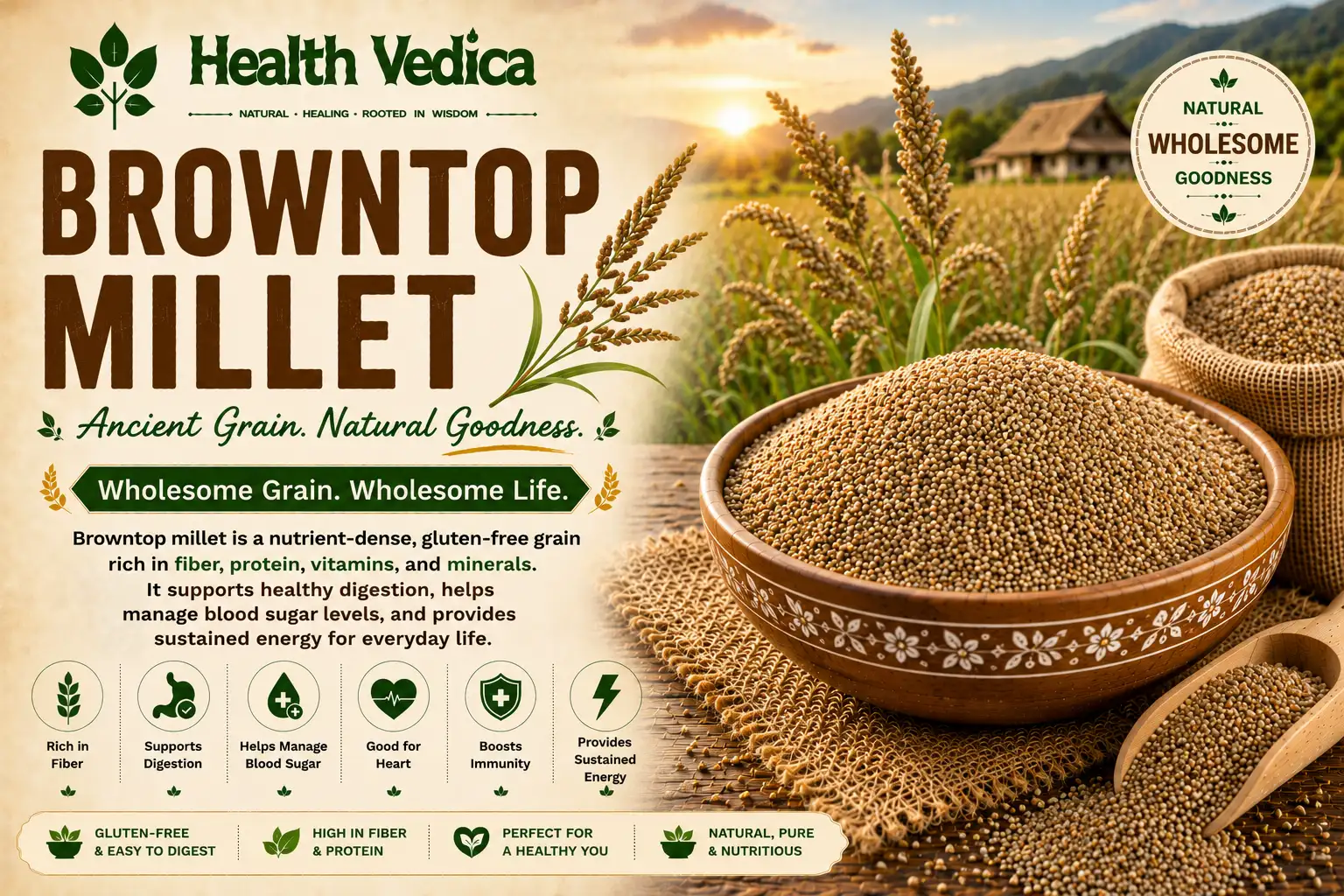
Browntop millet is arguably the least known yet one of the most nutritionally outstanding millets currently gaining rapid recognition across India and globally. Known as Korale in Kannada, Andu Korralu in Telugu, and Korle in Tulu, this millet is native to India — specifically the states of Karnataka and Andhra Pradesh — making it one of the only millets that can be considered truly indigenous to India. It is cultivated primarily in the tribal regions of Karnataka (Hassan, Chikmagalur, Shimoga districts) and the tribal belts of Andhra Pradesh. Among all millets, browntop millet stands out for its extraordinary fiber content, unique phytochemical profile, and remarkable potential for managing modern lifestyle diseases.
🔬 Nutritional Value Per 100g (Raw Browntop Millet)
| Nutrient | Amount | % Daily Value |
|---|---|---|
| Calories | 364 kcal | 18% |
| Carbohydrates | 64.4 g | 23% |
| Protein | 11.5 g | 23% |
| Fat | 4.7 g | 6% |
| Crude Fiber | 12.5 g | 45% |
| Iron | 4.9 mg | 27% |
| Calcium | 0.01 g | 1% |
| Antioxidant Activity | Exceptionally High | — |
| Polyphenols | Very High | — |
| Phosphorus | 263 mg | 26% |
📊 Glycemic Index
Browntop millet has an exceptionally low glycemic index, estimated between 40–48. This is one of the lowest GI values among all cereal grains and millets. Research studies have demonstrated that browntop millet significantly reduces post-meal blood glucose spikes compared to white rice and even other millets. It is emerging as one of the most promising functional foods for type 2 diabetes management.
🌿 Ayurvedic & Traditional Properties
While not extensively documented in classical Ayurvedic texts (possibly due to its more regional cultivation), browntop millet has been used for centuries by tribal communities of Karnataka and Andhra Pradesh for its cooling, detoxifying, and strength-giving properties. Traditional healers in these communities use it to manage fever, promote skin health, and support overall vitality. Modern research is now validating many of these traditional uses through its high antioxidant and anti-inflammatory activity.
✅ Health & Healing Benefits
Browntop millet has among the highest antioxidant activity of all millets, with significant levels of polyphenols, flavonoids, and phenolic acids that combat oxidative stress, reduce inflammation, and protect against chronic disease. Its exceptionally low GI and high fiber make it one of the most diabetes-friendly grains available. The high iron content (4.9mg/100g) supports hemoglobin production and anemia prevention. Its crude fiber (12.5g/100g) rivals barnyard millet as the highest-fiber millet, supporting gut health, cholesterol reduction, and weight management. Research also suggests browntop millet has prebiotic activity — feeding beneficial gut bacteria and improving gut microbiome diversity.
🍲 Indian Dietary Uses
Browntop millet is used in Karnataka and Andhra Pradesh for making korale rice (rice substitute), korale idli, korale dosa, andu korralu pongal, browntop millet roti, and traditional tribal porridges. As awareness grows, it is increasingly available in health food stores and organic millet shops across India.
💡 Anti-Inflammatory Browntop Millet Bowl
Prepare browntop millet porridge with coconut milk, fresh turmeric, black pepper, and a drizzle of cold-pressed coconut oil. This anti-inflammatory breakfast bowl combines the grain's polyphenols with curcumin from turmeric and piperine from black pepper to create a powerful anti-inflammatory, antioxidant morning meal. Particularly recommended for those with joint pain, metabolic syndrome, or chronic inflammation.
💡 Smart Tips
Soak browntop millet for 6–8 hours before cooking for best results. Cook with a 1:3 ratio (millet:water). It has a slightly earthy flavor that pairs well with coconut, spices, and vegetables. As a relatively rare millet, source from organic millet producers in Karnataka or certified health food stores. Sprouting browntop millet for 24–48 hours significantly increases antioxidant content and reduces anti-nutritional factors.
💡 Why Browntop Millet Is the Future Superfood
Among all Indian millets, browntop millet is unique because: it is native to India (not introduced from Africa or China), it has among the highest antioxidant activity, one of the lowest glycemic indexes, and exceptional fiber content. As climate change makes water-intensive crops more challenging, drought-resistant millets like browntop are being called the 'future food' for sustainable, nutritious Indian agriculture. Growing browntop millet also supports tribal farming communities and traditional agricultural biodiversity.