🌾 Introduction
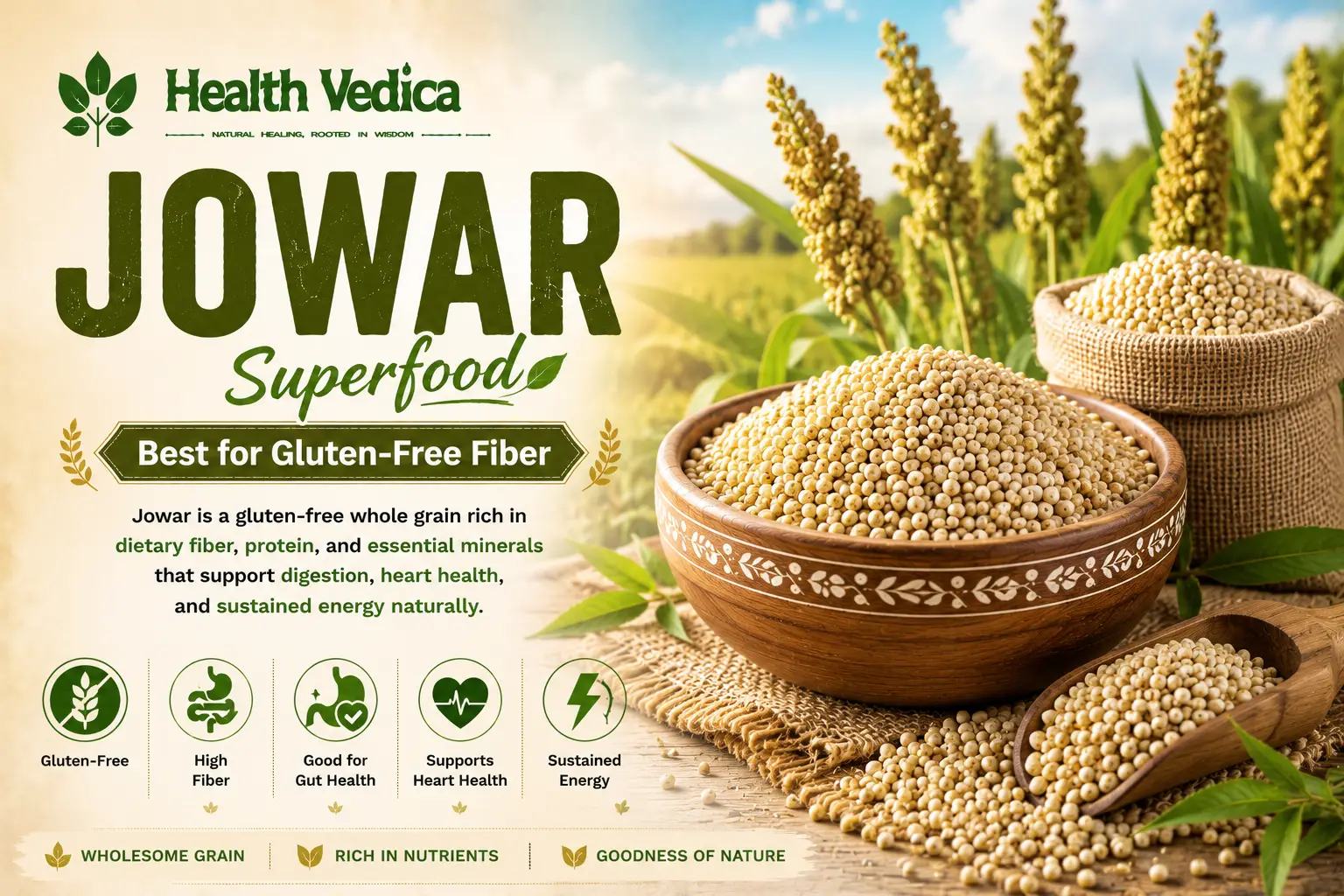
Jowar, known internationally as Sorghum and as Jwarī or Cholam in regional Indian languages, is one of the world's oldest cultivated grains. It is the staple food of millions across Maharashtra, Karnataka, Rajasthan, and Andhra Pradesh. As a drought-resistant crop, Jowar is ecologically sustainable and nutritionally exceptional. It is naturally gluten-free, rich in antioxidants, dietary fiber, iron, and plant protein — making it an outstanding superfood for heart health, gut wellness, and chronic disease prevention. Often called the new quinoa of India, Jowar is increasingly popular among health-conscious urban consumers worldwide.
🔬 Nutritional Value of Jowar Per 100g
| Nutrient | Amount | Daily Value % |
|---|---|---|
| Calories | 329 kcal | 16% |
| Carbohydrates | 72 g | 24% |
| Protein | 10.4 g | 21% |
| Dietary Fiber | 6.7 g | 27% |
| Iron | 4.1 mg | 23% |
| Calcium | 25 mg | 3% |
| Phosphorus | 287 mg | 29% |
| Magnesium | 165 mg | 41% |
| Potassium | 350 mg | 10% |
| Zinc | 1.67 mg | 15% |
| Niacin (B3) | 3.7 mg | 23% |
| Thiamine (B1) | 0.38 mg | 32% |
| Fat | 3.1 g | 5% |
| Antioxidants (Polyphenols) | High | — |
📊 Glycemic Index & Glycemic Load
Jowar has a Glycemic Index of 55–62, placing it in the low-to-moderate range. Its high fiber content — especially resistant starch — significantly slows the digestion of carbohydrates, resulting in a gradual rise in blood sugar levels. The Glycemic Load per serving is approximately 14. This makes Jowar one of the safest and most recommended grains for diabetics, PCOD patients, and individuals managing metabolic syndrome.
🌿 Ayurvedic Properties & Dosha Effect
In Ayurveda, Jowar is considered Laghu (light to digest) and Ruksha (slightly drying). Its taste is predominantly Madhura (sweet) with a post-digestive effect that is cooling. Jowar effectively balances Kapha and Pitta doshas, making it ideal for individuals prone to excess mucus, inflammation, or digestive heat. Ayurvedic texts recommend Jowar rotis with ghee for individuals with Vata imbalance as ghee compensates for its drying nature.
💪 Health & Healing Benefits of Jowar
❤️ Heart Health & Cholesterol Reduction: Jowar is packed with plant sterols, antioxidants, and dietary fiber that actively lower LDL (bad) cholesterol and triglycerides. Its policosanol content, a natural compound found in its bran, is particularly effective at reducing arterial plaque buildup and supporting cardiovascular health.
🩺 Blood Sugar Management: The slow-digesting resistant starch and tannins in Jowar inhibit starch-digesting enzymes, reducing post-meal glucose spikes. Regular Jowar consumption is associated with improved HbA1c levels in Type 2 Diabetics.
🦠 Gut Health & Digestion: Jowar's exceptionally high fiber content (6.7g/100g) nourishes beneficial gut bacteria, prevents constipation, reduces bloating, and lowers the risk of colorectal cancer. It acts as a powerful prebiotic.
⚖️ Weight Management: With high protein and fiber but moderate calories, Jowar promotes satiety, reduces hunger hormones, and supports healthy metabolism — making it ideal for sustainable weight management.
🛡️ Antioxidant & Anti-Cancer Properties: Jowar is one of the richest sources of antioxidants like tannins, phenolic acids, and anthocyanins (in red/black varieties). These compounds neutralize free radicals, reduce cellular oxidative stress, and may lower the risk of certain cancers, especially colorectal and esophageal cancers.
🩸 Iron & Anemia Prevention: Jowar is a good source of plant-based iron, supporting red blood cell production and hemoglobin synthesis. Pairing with Vitamin C-rich foods enhances iron absorption significantly.
🦴 Bone Mineral Support: Jowar is rich in magnesium and phosphorus, which work synergistically with calcium to strengthen bones, reduce risk of osteoporosis, and support muscle function.
🌾 Celiac-Safe Superfood: Being completely gluten-free, Jowar is one of the safest staple grains for individuals with celiac disease or non-celiac gluten sensitivity, offering nutritional richness without gut inflammation.
🥤 Jowar-Based Health Drinks & Recipes
| Preparation | Ingredients | Key Benefits |
|---|---|---|
| Jowar Kanji (Fermented Gruel) | Soaked jowar, water, salt, buttermilk | Probiotic, gut cooling, summer hydration |
| Jowar Roti with Ghee | Jowar flour, water, pure ghee | Sustained energy, heart health, gluten-free |
| Jowar Porridge | Jowar flour, milk/water, dates, cardamom | High fiber breakfast, blood sugar control |
| Jowar Sattu Drink | Roasted Jowar flour, lemon, black salt, water | Cooling, energy, electrolyte replenishment |
🍽️ Indian Dietary Uses of Jowar
Jowar is the backbone of rural diets across Maharashtra and Karnataka, where Jowar Bhakri (thick flat bread) is eaten daily with chutney, dal, and vegetables. Jowar Roti is a staple in Rajasthani households. In South India, it is used to make Jowar Dosa and Jowar Upma. Increasingly, Jowar is being used in urban health foods like gluten-free bread, jowar pasta, biscuits, popped jowar (like popcorn), and breakfast cereals.
💡 Practical Tips for Using Jowar
• Soak overnight: Soaking Jowar grains overnight reduces phytic acid and improves mineral bioavailability and cooking time.
• Whole grain over flour: Cooked whole Jowar retains more fiber and nutrients than Jowar flour. Use in grain bowls, khichdi, or salads.
• Pop like popcorn: Dry Jowar grains can be popped in a hot pan to make a nutritious, low-calorie snack.
• Combine with dal: Jowar is low in lysine; pairing with lentils or legumes creates a complete protein meal.
• Best consumed fresh: Jowar rotis are best eaten fresh while warm; they become hard and difficult to digest when cold.
⚠️ Precautions & Considerations
Jowar is safe for most people. However, unprocessed Jowar may contain tannins and phytic acid that inhibit mineral absorption — soaking, sprouting, or fermenting resolves this. Individuals with irritable bowel syndrome (IBS) should introduce Jowar gradually due to its high fiber content. Some varieties of Jowar (especially sweet sorghum) may contain cyanogenic compounds in the plant (not the grain), so always use food-grade Jowar grain.