🌿 Introduction
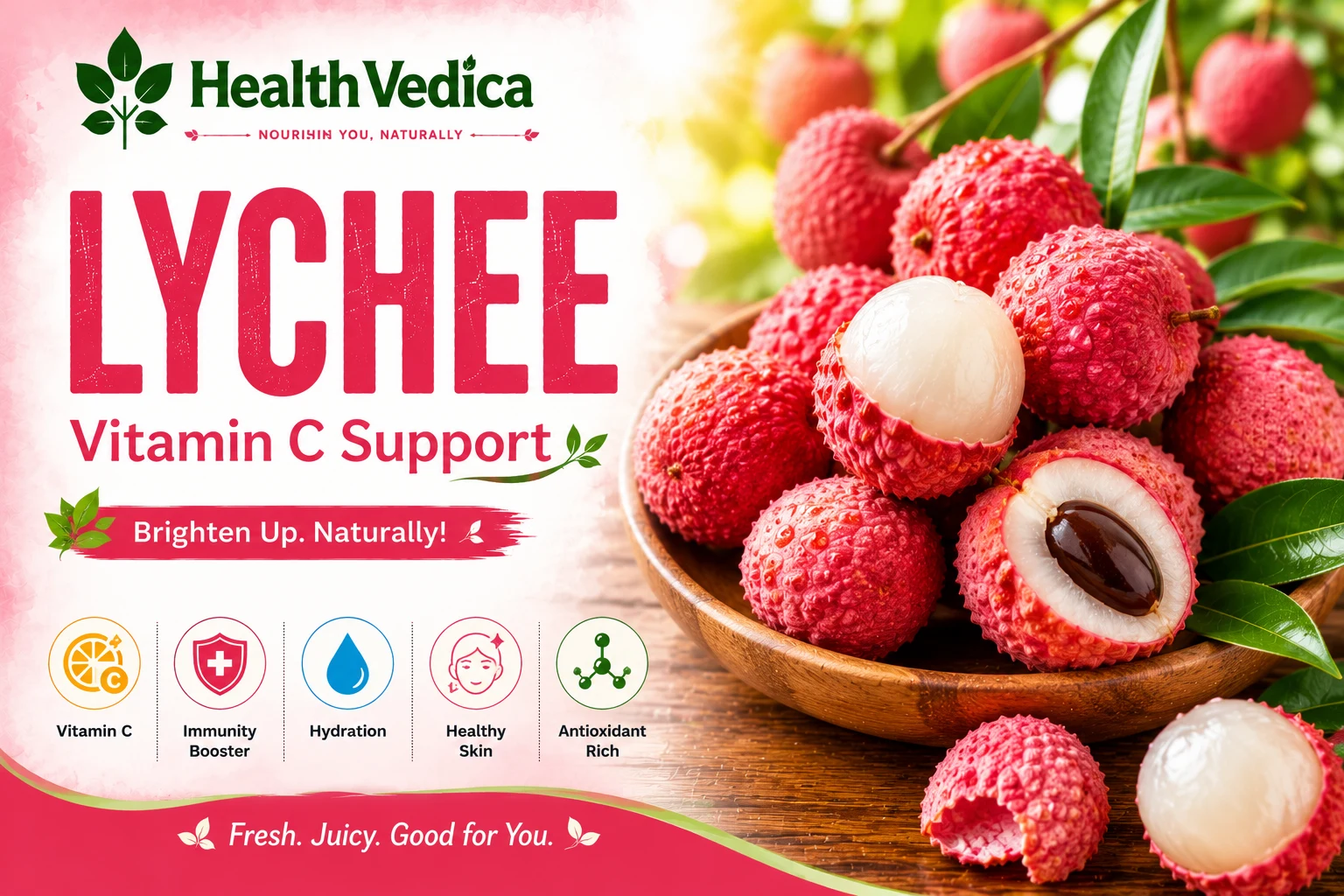
Lychee (Litchi chinensis) is one of the world's most loved tropical fruits, admired for its juicy white flesh, floral aroma and naturally sweet taste. Native to Southern China and now widely cultivated across India, especially in Bihar, West Bengal and Uttar Pradesh, lychee is packed with vitamin C, antioxidants and water. It is a refreshing summer fruit that supports immunity, skin health, hydration and heart wellness while being relatively low in calories.
📊 Nutritional Value Per 100g of Lychee
| Nutrient | Amount | % Daily Value (DV) |
|---|---|---|
| Calories | 66 kcal | 3% |
| Protein | 0.8 g | 2% |
| Total Fat | 0.4 g | <1% |
| Carbohydrates | 16.5 g | 6% |
| Natural Sugars | 15.2 g | — |
| Dietary Fiber | 1.3 g | 5% |
| Vitamin C | 71.5 mg | 79% |
| Copper | 0.15 mg | 17% |
| Potassium | 171 mg | 4% |
| Magnesium | 10 mg | 2% |
| Phosphorus | 31 mg | 4% |
| Water | 81.8 g | — |
📉 Glycemic Index
Lychee has a moderate glycemic index of approximately 50–57. Although it contains natural sugars, its fiber and water content help moderate glucose absorption when eaten in reasonable portions.
🧬 Powerful Plant Compounds
Lychee contains valuable antioxidants including oligonol, epicatechin, rutin, quercetin, gallic acid, chlorogenic acid and vitamin C. These compounds help combat oxidative stress and support cardiovascular and immune health.
💊 Vitamins & Minerals Explained
Lychee is exceptionally rich in vitamin C, supplying nearly an entire day's requirement in just 100 grams. It also provides copper for red blood cell formation, potassium for healthy blood pressure and small amounts of magnesium and phosphorus for bone and muscle function.
🕉️ Ayurvedic Properties & Dosha Effect
According to Ayurvedic principles, ripe lychee has a sweet (Madhura) taste and cooling nature. It helps pacify Pitta Dosha while nourishing body fluids and reducing summer heat. Excessive consumption, however, may aggravate Kapha Dosha because of its natural sweetness.
💚 Evidence-Based Health Benefits
Boosts Immunity: Lychee is one of the richest fruit sources of vitamin C, which supports immune cell function, collagen production and antioxidant defense.
Supports Skin Health: Vitamin C is essential for collagen synthesis, helping maintain healthy skin elasticity while antioxidants protect skin cells from oxidative damage.
Heart Health: Potassium helps regulate blood pressure, while flavonoids and polyphenols contribute to cardiovascular protection.
Hydration: More than 80% of lychee consists of water, making it an excellent fruit during hot summer months.
Supports Healthy Digestion: Dietary fiber promotes healthy bowel movements and supports beneficial gut bacteria.
Antioxidant Protection: Oligonol and other polyphenols help reduce oxidative stress and support healthy ageing.
Supports Healthy Blood Circulation: Copper contributes to normal red blood cell production and healthy oxygen transport throughout the body.
👨👩👧 Who Should Eat Lychee?
Lychee is suitable for children, athletes, older adults, pregnant women (in moderation), individuals recovering from illness and anyone seeking hydration and vitamin C during summer.
🚫 Who Should Limit Lychee?
People with diabetes should consume lychee in moderation because of its natural sugar content. Young children should avoid consuming large amounts of unripe lychees on an empty stomach due to reports of hypoglycemia associated with undernourished children in certain settings. Ripe lychees eaten as part of a balanced diet are generally safe.
🌿 Healthy Recipes & Home Remedies
Lychee Smoothie: Blend fresh lychee with yogurt and mint for a refreshing probiotic drink.
Lychee Fruit Salad: Mix lychee with kiwi, pomegranate and watermelon for an antioxidant-rich bowl.
Lychee Coconut Cooler: Combine fresh lychee with tender coconut water and basil leaves for a hydrating summer beverage.
Frozen Lychee Pops: Blend ripe lychees and freeze into healthy homemade ice pops without added sugar.
🥗 Best Ways to Eat Lychee
Fresh ripe lychees provide the highest nutritional value. They can also be added to salads, smoothies, yogurt, fruit bowls and healthy desserts. Avoid canned lychees packed in sugar syrup whenever possible.
🍽️ Best Food Combinations
Lychee pairs well with kiwi, strawberries, pineapple, mint, coconut water, yogurt, chia seeds and almonds.
🧊 Storage Tips
Fresh lychees should be refrigerated and consumed within 5–7 days. Peeled fruit can be frozen for several months without significant nutrient loss.
📅 Daily Recommended Intake
8–12 fresh lychees (approximately 150 grams) per day are generally appropriate for most healthy adults during the season.
⚠️ Precautions
Always consume fully ripe lychees. Avoid excessive intake on an empty stomach, especially in young children. Individuals with diabetes should monitor portion size due to natural sugars.
🔬 Scientific Highlights
Studies indicate that lychee polyphenols, particularly oligonol, possess antioxidant and anti-inflammatory activities. Vitamin C contributes to immune function, collagen synthesis and protection against oxidative stress. More human clinical studies are ongoing to better understand the full health effects of lychee phytochemicals.
📚 Traditional Ayurvedic References
- Modern Ayurvedic Dietetics
- Ayurvedic Nutrition Principles
- Traditional Indian Seasonal Food Practices
❌ Common Myths & Facts
❌ Myth: Lychee causes illness in everyone.
✅ Fact: Fresh ripe lychees are generally safe for healthy individuals when eaten in moderation. Health concerns have mainly been associated with undernourished children consuming large quantities of unripe lychees on an empty stomach.
❌ Myth: Lychee is only sugar and contains no nutrients.
✅ Fact: Lychee is exceptionally rich in vitamin C, antioxidants, potassium and beneficial polyphenols.
❌ Myth: Canned lychees are as healthy as fresh ones.
✅ Fact: Fresh lychees generally retain more nutrients and usually contain less added sugar than canned varieties packed in syrup.
🌍 Fun Facts
- India is one of the world's largest producers of lychee.
- Bihar is famous for producing premium-quality Shahi Lychee.
- Lychee belongs to the soapberry family along with rambutan and longan.
- A single serving of lychee provides almost an entire day's vitamin C requirement.