🌿 Introduction
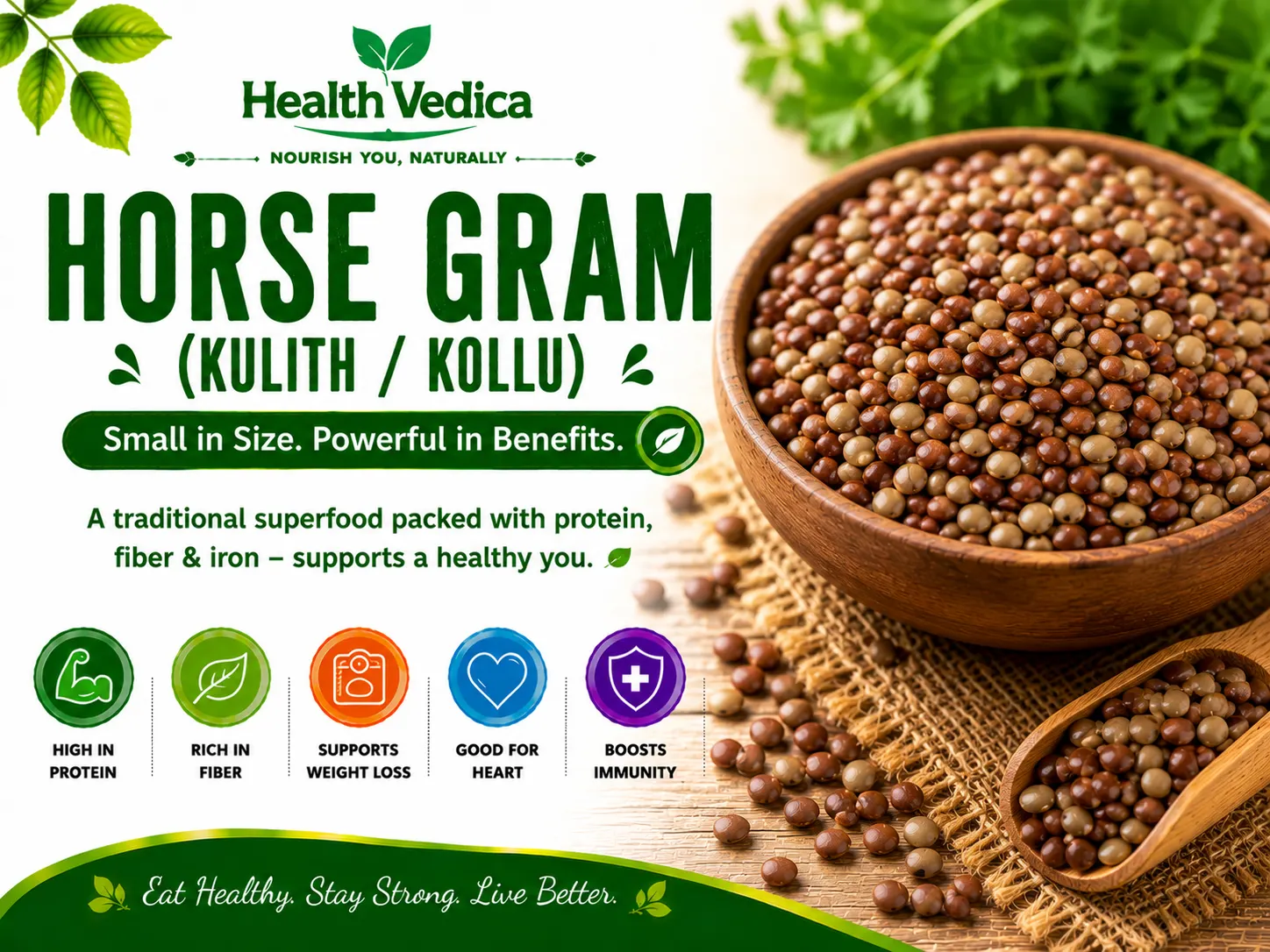
Horse Gram (Macrotyloma uniflorum), traditionally known as Kulthi Dal, is one of India's oldest and most nutrient-dense legumes. It is considered a traditional superfood because of its high protein, fiber, mineral content and powerful antioxidant properties.
Horse gram has been consumed for centuries in rural India, especially in Karnataka, Andhra Pradesh, Telangana, Maharashtra and Himalayan regions. It is commonly prepared as kulthi dal, rasam, soups, chutneys, sprouts and traditional medicinal drinks.
The name 'horse gram' comes from its historical use as a nutritious feed for horses and livestock due to its exceptional energy and protein value.
In Ayurveda, Kulattha (horse gram) is considered a powerful pulse traditionally used for supporting digestion, metabolism and urinary health.
📊 Nutritional Value Per 100g of Dry Horse Gram
| Nutrient | Amount | % Daily Value (DV) |
|---|---|---|
| Calories | 321 kcal | 16% |
| Protein | 22 g | 44% |
| Total Fat | 0.5 g | 1% |
| Carbohydrates | 57 g | 21% |
| Dietary Fiber | 5–13 g | 20–45% |
| Calcium | 287 mg | 22% |
| Iron | 7.6 mg | 42% |
| Magnesium | 311 mg | 74% |
| Phosphorus | 311 mg | 44% |
| Potassium | 1324 mg | 28% |
| Zinc | 3.7 mg | 34% |
| Polyphenols | Rich source | — |
📉 Glycemic Index & Diabetes Support
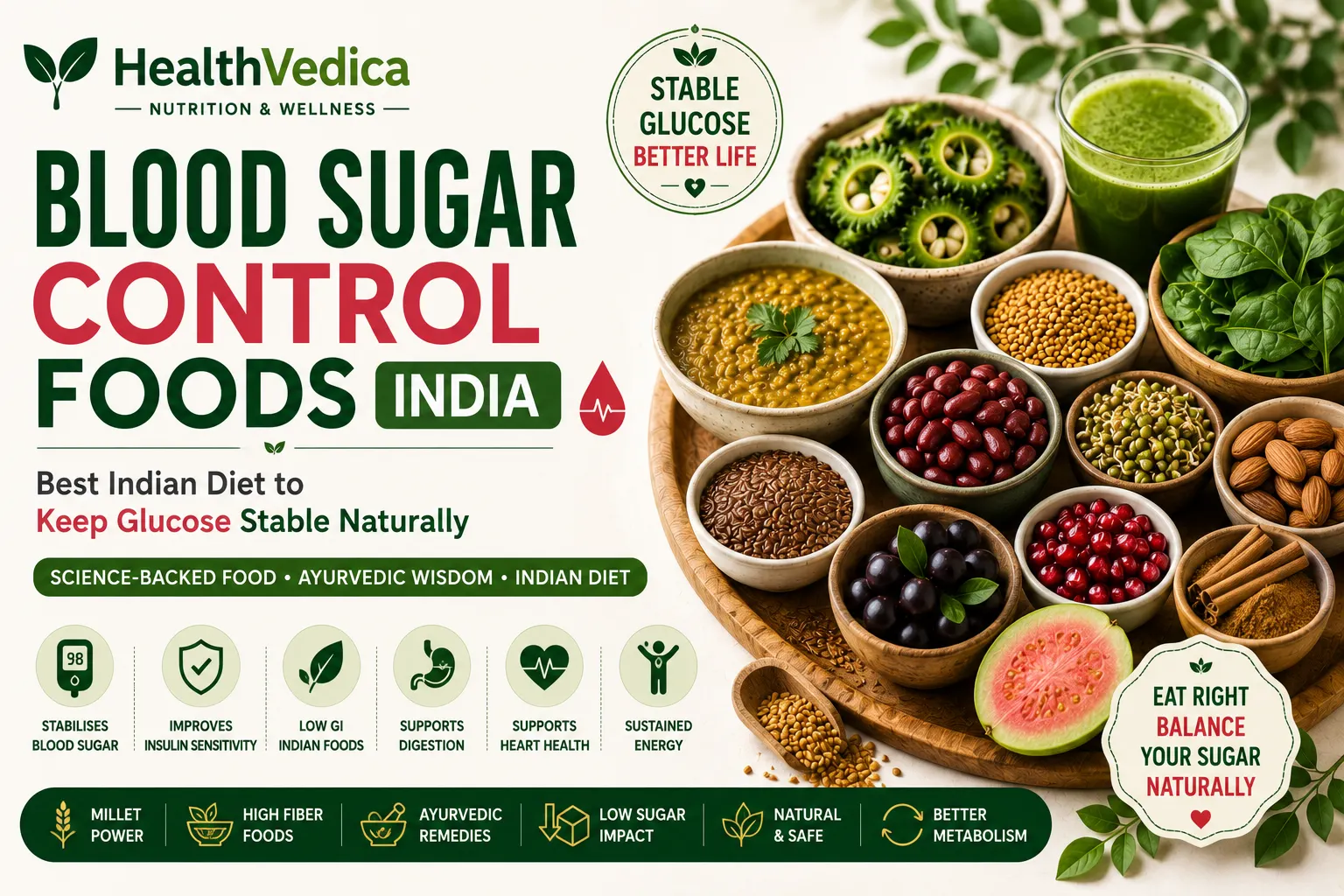
Horse gram has a low glycemic impact because of its high protein, fiber and complex carbohydrate content.
It releases energy slowly, helping maintain stable blood sugar levels and making it suitable for balanced diabetic meal plans.
🔥 Horse Gram for Weight Management
Horse gram is traditionally considered one of the best pulses for supporting weight control.
Its combination of high protein + fiber + low fat promotes fullness, reduces unnecessary snacking and supports healthy metabolism.
Traditional preparations like horse gram soup are often included in weight management diets.
💪 Protein & Muscle Support
With around 22g protein per 100g, horse gram provides valuable plant-based protein required for muscle maintenance, tissue repair and daily energy.
🧬 Powerful Antioxidant Properties
Horse gram contains polyphenols, flavonoids, antioxidants and bioactive compounds that help protect cells from oxidative stress.
🕉️ Ayurvedic Properties & Dosha Effect
In Ayurveda, Horse Gram is known as Kulattha and is considered a unique medicinal pulse.
Rasa (Taste): Sweet (Madhura), slightly astringent (Kashaya).
Virya (Potency): Heating (Ushna).
Quality: Drying (Ruksha), light and metabolism-supporting.
Dosha Effect: Helps reduce excess Kapha and supports metabolism. Excess intake may aggravate Vata due to dryness.
Ayurveda recommends cooking horse gram with ginger, cumin, garlic, hing and pepper to improve digestion.
💚 Evidence-Based Health Benefits
Supports Weight Loss: High fiber and protein increase fullness and support calorie control.
Kidney Stone Support: Traditionally used in Ayurveda for urinary health and supporting kidney function, though it should not replace medical treatment.
Heart Health: Fiber and antioxidants support healthy cholesterol metabolism.
Blood Sugar Control: Slow digestion helps maintain steady glucose levels.
Digestive Health: Fiber supports healthy bowel movement.
Bone Strength: Provides calcium, magnesium and phosphorus.
🪨 Horse Gram & Kidney Health
Horse gram has a long traditional association with urinary health in Ayurveda. Some studies have explored its potential role in kidney stone management, especially due to its antioxidant and mineral profile.
People with kidney disorders should consult healthcare professionals before making dietary changes.
❤️ Horse Gram for Heart Health
The high fiber and antioxidant content may support healthy cholesterol levels and overall cardiovascular wellness.
👨👩👧 Who Should Eat Horse Gram?
Horse gram can be beneficial for people looking for high-protein vegetarian foods, weight management support and traditional nutritious meals.
🚫 Who Should Limit Horse Gram?
Pregnant women and people with certain medical conditions should consume horse gram according to professional dietary guidance. Excess intake may cause digestive discomfort.
🌿 Healthy Recipes & Preparations
Horse Gram Rasam: Traditional South Indian digestive soup.
Kulthi Dal: Protein-rich dal preparation.
Horse Gram Soup: Warming nutritious drink.
Sprouted Horse Gram: Nutrient-rich preparation.
Kulthi Chutney: Traditional regional recipe.
🥗 Best Ways to Eat Horse Gram
Soaking overnight before cooking improves digestibility. Sprouting can improve nutrient availability.
Adding digestive spices like hing, cumin and ginger reduces gas formation.
🍽️ Best Food Combinations
Horse gram pairs well with rice, millets, vegetables, curry leaves, coconut and traditional Indian spices.
🌱 Horse Gram vs Other Pulses
| Pulse | Main Strength |
|---|---|
| Horse Gram | Metabolism & fiber |
| Urad Dal | Strength & protein |
| Moong Dal | Light digestion |
| Toor Dal | Daily balanced nutrition |
🧊 Storage Tips
Store dry horse gram in an airtight container in a cool, dry place to maintain freshness.
📅 Daily Recommended Intake
Approximately 40–60 grams cooked or dry equivalent per serving can be included depending on dietary needs.
⚠️ Precautions
Excess intake may cause gas and digestive discomfort due to high fiber. Proper soaking and cooking are important.
🔬 Scientific Highlights
Horse gram is recognized as a nutrient-rich underutilized legume containing protein, fiber, minerals and antioxidant compounds.
❌ Common Myths & Facts
❌ Myth: Horse gram is only animal feed.
✅ Fact: It is a highly nutritious traditional human food.
❌ Myth: Horse gram is unhealthy because it is heating.
✅ Fact: Proper preparation makes it a valuable nutritious pulse.
❌ Myth: Only expensive foods provide protein.
✅ Fact: Horse gram is an affordable protein-rich food.
🌍 Fun Facts
- Horse gram is one of the oldest cultivated legumes in India.
- It is known as Kulith in Maharashtra and Ulavalu in Telugu regions.
- Traditional Ayurveda considers it a metabolism-supporting pulse.
- It survives well in dry farming conditions.
- It is one of India's most affordable superfoods.
🌱 Edible Forms & Benefits
| Form | Benefits |
|---|---|
| Whole Horse Gram | High fiber and protein. |
| Sprouted Horse Gram | Improved nutrient availability. |
| Horse Gram Soup | Light and traditional preparation. |
🌱 Seasonality in India
| Information | Details |
|---|---|
| Harvest Season | November – February |
| Availability | Available throughout the year. |
| Buying Tip | Select clean seeds without insect damage. |
⏰ Best Time to Eat
Horse gram is best consumed during lunch because it is nutrient-dense and takes longer to digest.