🌿 Introduction
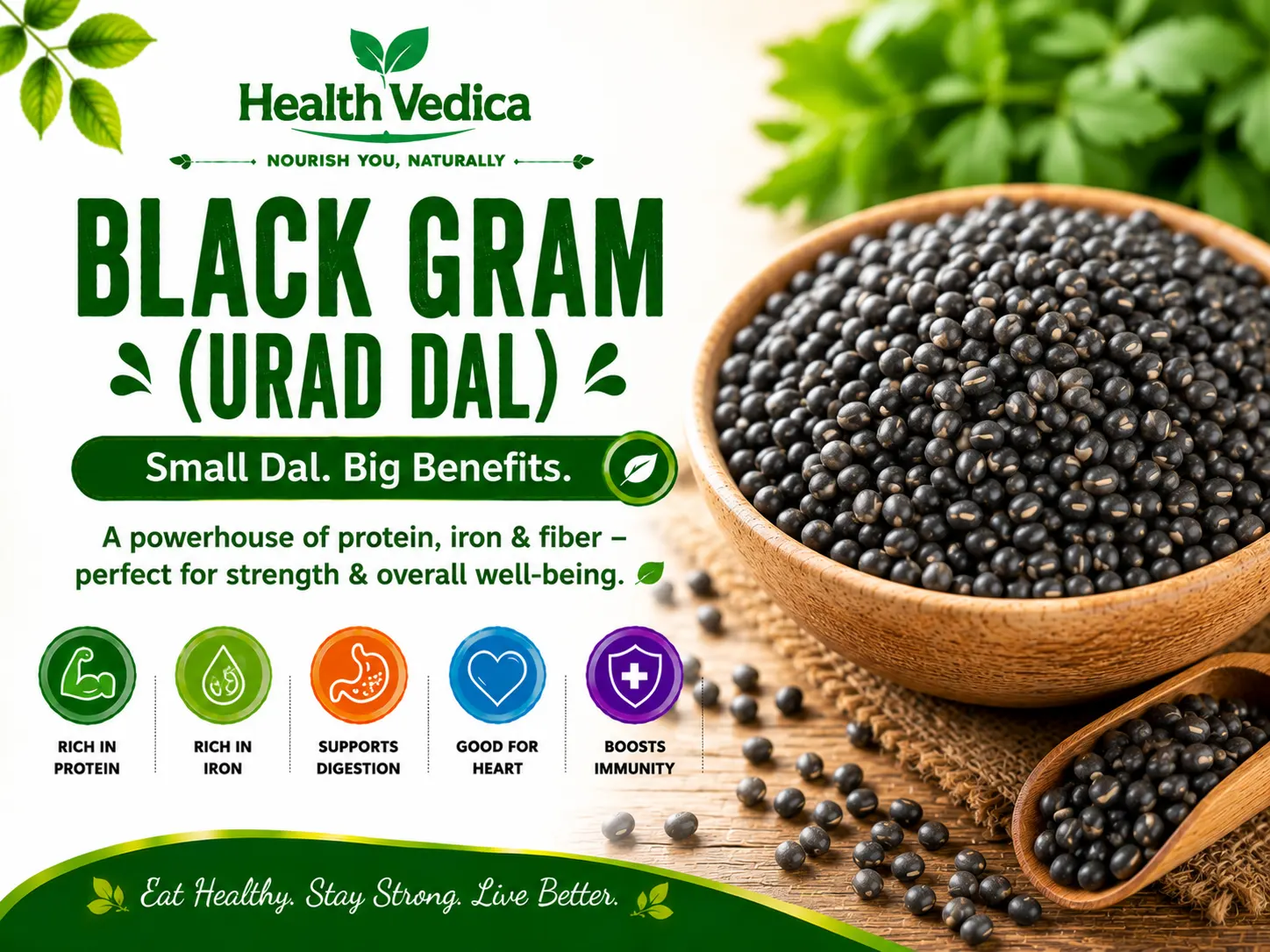
Black Gram (Vigna mungo), popularly known as Urad Dal in India, is one of the most nutritious traditional pulses used in Indian cuisine and Ayurveda. It has been cultivated in India for thousands of years and remains an essential ingredient in South Indian, North Indian and Ayurvedic diets.
Urad dal is famous for its creamy texture, rich flavour and impressive nutritional profile. It is the main ingredient in popular foods like idli, dosa, vada, dal makhani, papad and medu vada.
Unlike many other pulses, black gram contains a higher amount of protein, iron, magnesium and potassium. Traditionally, it has been considered a strengthening food that supports muscles, bones, energy and overall nourishment.
📊 Nutritional Value Per 100g of Dry Black Gram (Urad Dal)
| Nutrient | Amount | % Daily Value (DV) |
|---|---|---|
| Calories | 341 kcal | 17% |
| Protein | 25 g | 50% |
| Total Fat | 1.6 g | 2% |
| Carbohydrates | 58 g | 21% |
| Dietary Fiber | 18 g | 64% |
| Calcium | 138 mg | 11% |
| Iron | 7.6 mg | 42% |
| Magnesium | 267 mg | 64% |
| Phosphorus | 379 mg | 54% |
| Potassium | 983 mg | 21% |
| Folate | 216 mcg | 54% |
| Zinc | 3.4 mg | 31% |
| Manganese | 1.4 mg | 61% |
📉 Glycemic Index
Urad dal has a low to moderate glycemic impact due to its high protein and fiber content. It provides slow-digesting carbohydrates that help maintain steady energy levels.
Traditional fermented foods made using urad dal, such as idli and dosa, may also have improved digestibility due to fermentation.
💪 Protein & Muscle Strength
With approximately 25g protein per 100g, urad dal is an excellent vegetarian protein source. It provides amino acids required for muscle repair, tissue maintenance and overall body strength.
Ayurveda traditionally recommends urad dal as a strengthening food for people needing nourishment and physical energy.
🧬 Powerful Nutritional Compounds
Black gram contains polyphenols, antioxidants, resistant starch, phytosterols and bioactive plant compounds that contribute to its health benefits.
🕉️ Ayurvedic Properties & Dosha Effect
In Ayurveda, Masha (Urad Dal) is considered a highly nourishing pulse.
Rasa (Taste): Sweet (Madhura).
Virya (Potency): Heating (Ushna).
Quality: Heavy, strengthening and nourishing.
Dosha Effect: It supports Vata balance but excessive consumption may increase Kapha due to its heavy nature.
Ayurveda recommends consuming urad dal with digestive spices like hing, cumin, ginger, black pepper and ajwain to reduce gas and improve digestion.
💚 Evidence-Based Health Benefits
Builds Muscle Strength: High protein content supports muscle maintenance and recovery.
Supports Bone Health: Calcium, magnesium and phosphorus contribute to strong bones and teeth.
Improves Digestive Health: High fiber supports bowel regularity and healthy gut bacteria.
Supports Heart Health: Fiber and minerals contribute to a heart-friendly diet.
Helps Manage Weight: Protein and fiber promote fullness and reduce overeating.
Supports Blood Health: Iron and folate help in healthy red blood cell production.
Provides Long-Lasting Energy: Complex carbohydrates provide sustained fuel.
🦴 Urad Dal & Bone Strength
Urad dal is traditionally considered a strengthening food because it provides calcium, magnesium, phosphorus and protein — all essential nutrients for maintaining bone structure.
🩸 Urad Dal & Anaemia Support
The iron and folate content in black gram supports healthy blood formation. Combining urad dal with vitamin C-rich foods improves iron absorption.
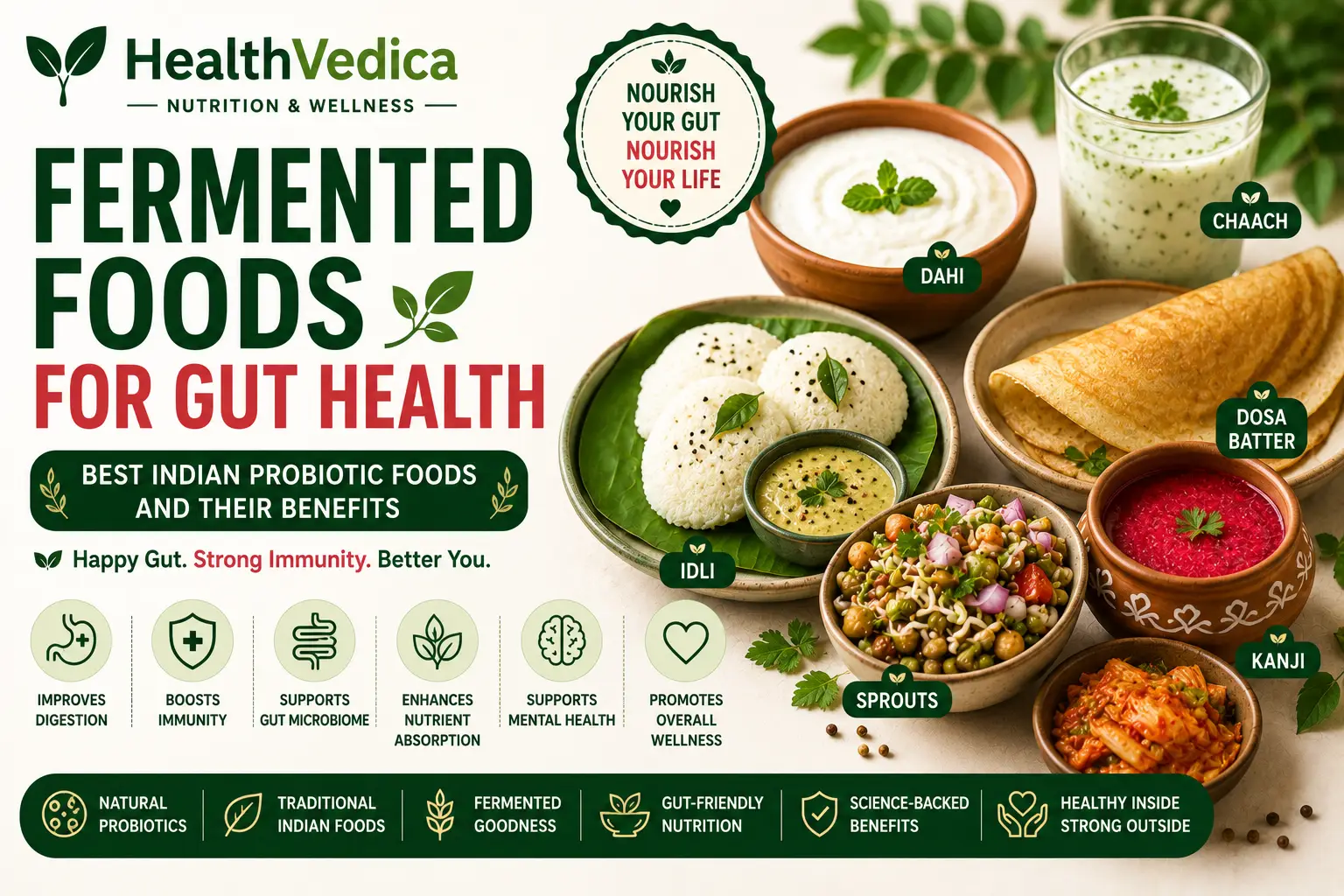
🌱 Fermented Foods Made From Urad Dal
Urad dal plays an important role in Indian fermented foods.
- Idli: Light, fermented breakfast food.
- Dosa: Fermented crispy preparation.
- Medu Vada: Protein-rich traditional snack.
Fermentation improves digestibility and increases availability of certain nutrients.
👨👩👧 Who Should Eat Urad Dal?
Urad dal is suitable for growing children, adults, athletes, vegetarians and people looking for traditional protein-rich foods.
🚫 Who Should Limit Urad Dal?
People with weak digestion, severe bloating, gout tendency or sensitivity to legumes may need controlled portions.
🌿 Healthy Recipes & Preparations
Dal Makhani: Slow-cooked creamy black gram preparation.
Idli: Fermented nutritious breakfast.
Dosa: Traditional fermented meal.
Urad Dal Tadka: Protein-rich everyday dal.
Urad Papad: Traditional crispy preparation.
🥗 Best Ways to Eat Urad Dal
Soaking urad dal before cooking improves digestibility. Cooking with ginger, cumin, hing and spices helps reduce bloating.
🍽️ Best Food Combinations
Urad dal pairs well with rice, millet, vegetables, ghee, spices, yogurt and leafy greens.
🌱 Whole Urad vs Split Urad
| Type | Benefits |
|---|---|
| Whole Black Urad | Higher fiber and traditional preparation. |
| Split Urad Dal | Faster cooking and easier digestion. |
| White Urad Dal | Dehulled form commonly used for idli and dosa. |
🧊 Storage Tips
Store dry urad dal in an airtight container away from moisture and insects.
📅 Daily Recommended Intake
40–60 grams dry urad dal can be included in a balanced diet depending on protein requirements.
⚠️ Precautions
Excess intake may cause gas and heaviness because of its high fiber and protein content. People with digestive issues should consume moderate quantities.
🔬 Scientific Highlights
Black gram is recognized as a nutrient-dense pulse containing protein, fiber, minerals and bioactive compounds that support overall health.
❌ Common Myths & Facts
❌ Myth: Urad dal is unhealthy because it is heavy.
✅ Fact: Properly cooked urad dal is highly nutritious and beneficial for many people.
❌ Myth: Only non-vegetarian foods build strength.
✅ Fact: Urad dal provides valuable plant protein.
❌ Myth: Fermented foods made from urad dal have fewer nutrients.
✅ Fact: Fermentation can improve digestibility and nutrient availability.
🌍 Fun Facts
- Urad dal has been used in Indian cooking for thousands of years.
- It is essential for making authentic idli and dosa.
- Black gram was considered a strengthening food in Ayurveda.
- It is one of the richest protein-containing Indian pulses.
- Urad dal is used in both food and traditional preparations.
🌱 Edible Parts & Their Benefits
| Form | Health Benefits |
|---|---|
| Whole Black Gram | High fiber, protein and minerals. |
| Split Urad Dal | Easy cooking protein source. |
| Fermented Batter | Improved digestibility and traditional nutrition. |
🌱 Availability in India
| Information | Details |
|---|---|
| Harvest Season | September – November |
| Availability | Available throughout the year. |
| Buying Tip | Select clean dal without moisture or insects. |
⏰ Best Time to Eat
Urad dal is best consumed during lunch or early dinner because it is nutrient-dense and takes longer to digest.