🍋 Introduction
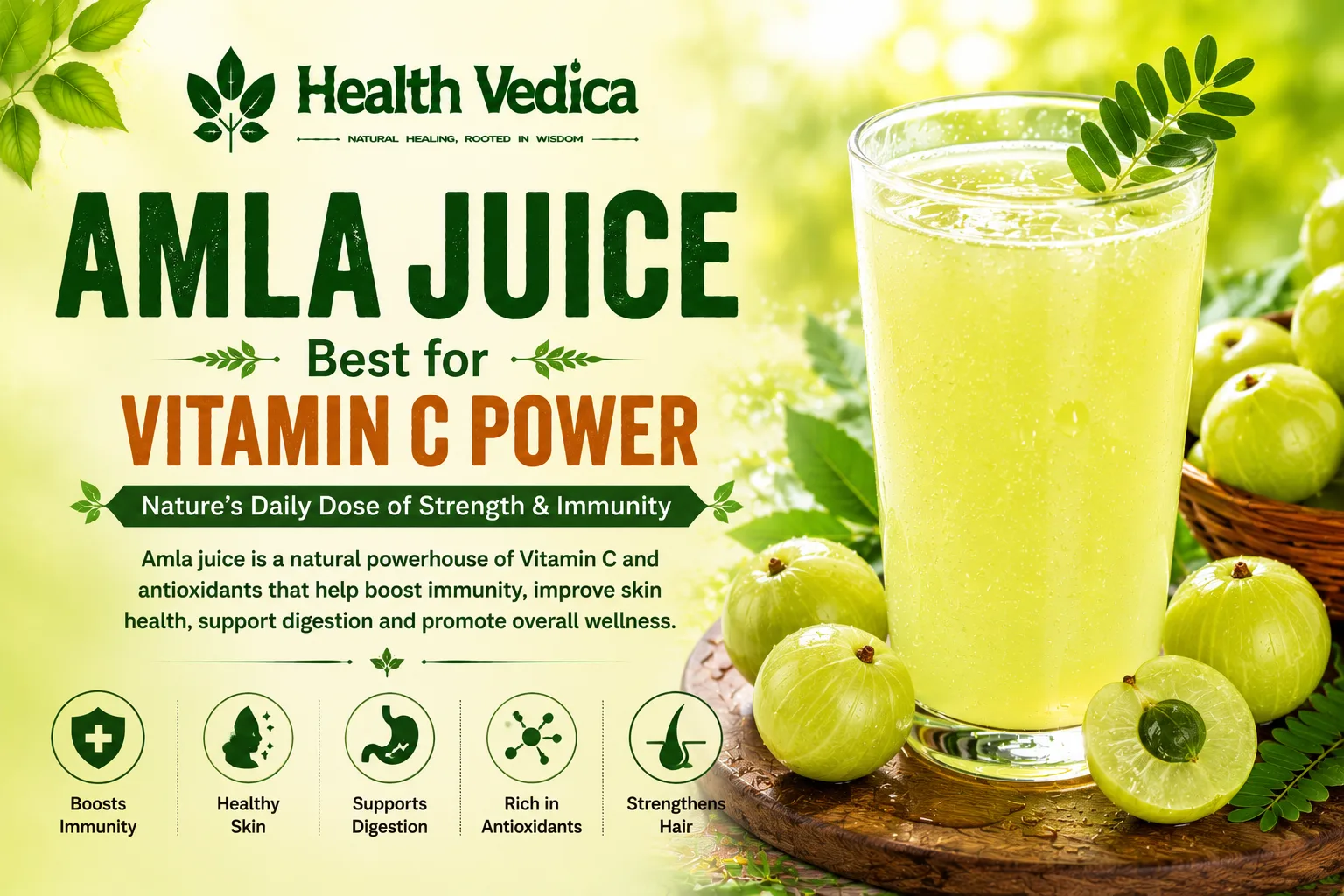
Amla, or Indian Gooseberry (Phyllanthus emblica), is one of the most revered superfoods in Ayurveda, called Amalaki — meaning 'mother' or 'nurse' — because of its comprehensive healing abilities. Amla juice, extracted from fresh green amla fruits, is a powerhouse of Vitamin C, antioxidants, and phytonutrients. India is the world's largest producer of amla, and it holds a sacred place in both medicine and culture.
🧪 Nutritional Value of Amla Juice (Per 100ml)
| Nutrient | Amount | Daily Value % |
|---|---|---|
| Calories | 44 kcal | 2% |
| Vitamin C | 445–600 mg | 600–700% |
| Vitamin A | 290 IU | 6% |
| Iron | 1.2 mg | 7% |
| Calcium | 25 mg | 3% |
| Phosphorus | 27 mg | 4% |
| Fiber | 3.4 g | 12% |
| Potassium | 198 mg | 6% |
| Antioxidants (Ellagic acid, Gallic acid) | High | — |
| Tannins | Present | — |
🌺 Ayurvedic Properties (Dosha & Guna)
Amla is one of the very few herbs that contains five of the six tastes in Ayurveda — sweet, sour, pungent, bitter, and astringent (lacking only salty). It is described as Tridoshahara — balancing all three doshas. It is a core ingredient in classical Ayurvedic formulations like Chyawanprash, Triphala, and Brahma Rasayana. Its Vipaka (post-digestive effect) is sweet, nourishing all seven dhatus (body tissues).
💚 Health & Healing Benefits
1. Vitamin C Superfood: Amla has 20x more Vitamin C than an orange. Unlike synthetic Vitamin C, the Vitamin C in amla is heat-stable and bound with tannins, making it highly bioavailable and effective for immunity.
2. Hair Growth & Strength: Amla juice is the most popular natural remedy for hair fall, premature greying, and dandruff in India. It nourishes hair follicles, boosts melanin production, and strengthens the scalp.
3. Anti-Aging & Longevity: The powerful antioxidants in amla neutralize free radicals, slow cellular aging, improve skin texture, and protect against age-related diseases. It is considered a premier Rasayana (longevity tonic) in Ayurveda.
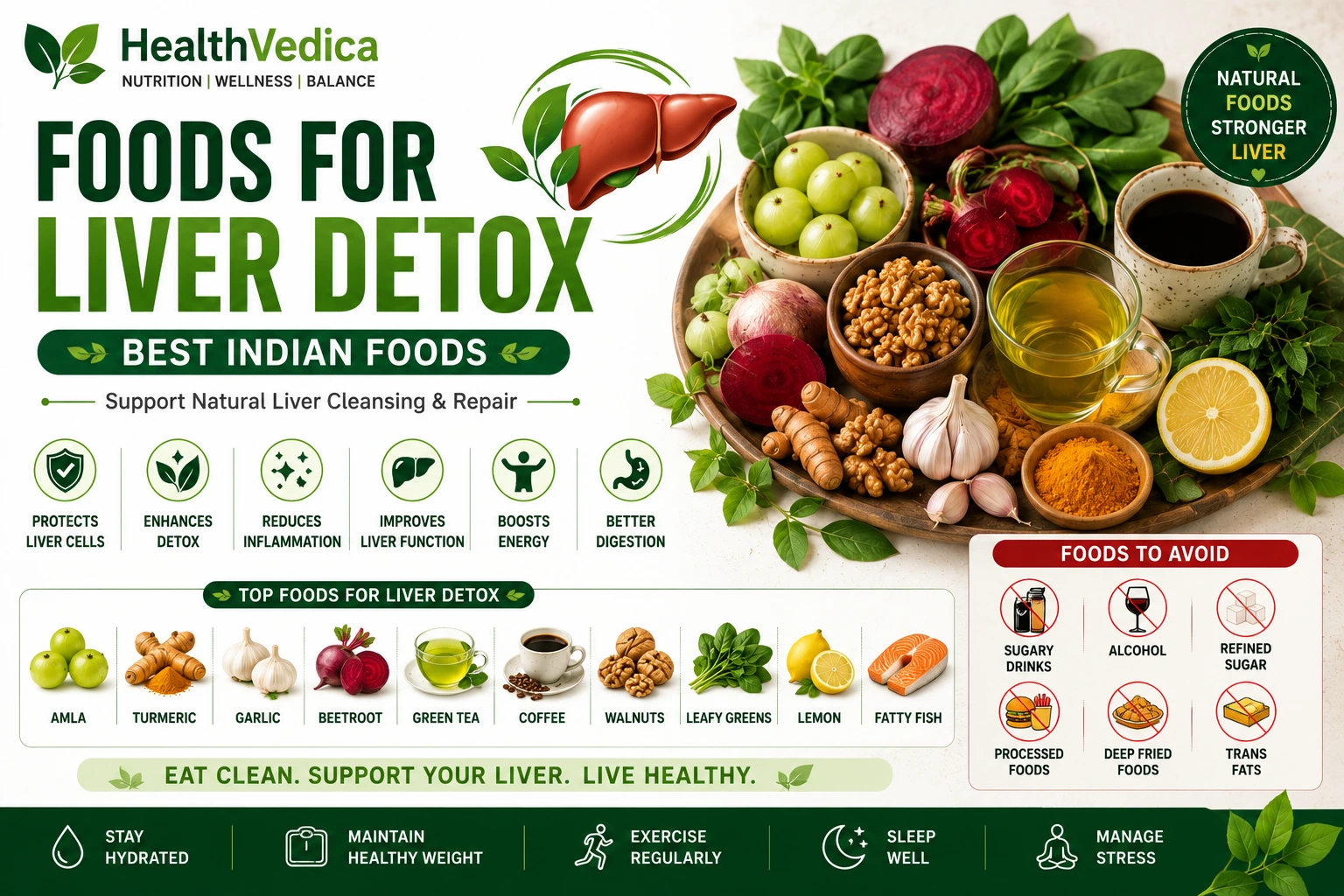
4. Liver Protection: Amla juice stimulates liver enzymes, protects against fatty liver disease, and aids in detoxification of harmful substances including alcohol.
5. Cholesterol & Heart Health: Studies show amla reduces LDL (bad) cholesterol and triglycerides, prevents plaque buildup in arteries, and improves overall cardiovascular function.
6. Blood Sugar Control: The chromium in amla enhances insulin secretion, and its fiber slows sugar absorption, making it beneficial for pre-diabetics and Type 2 diabetics.
7. Eye Health: Amla is rich in carotene and Vitamin A, which improve eyesight, reduce the risk of cataracts, and prevent macular degeneration.
8. Gut & Digestive Health: Amla juice stimulates digestive enzymes, relieves constipation, reduces hyperacidity, and promotes healthy gut flora balance.
🕐 Best Time to Drink Amla Juice
Best consumed early morning on an empty stomach, diluted with water (20–30 ml in a glass of warm water). You may add honey and ginger for enhanced benefits. Avoid on a full stomach as the sourness may trigger acidity.
💡 Preparation Tips
Wash fresh amla fruits, remove seeds, and blend with minimal water. Strain and consume fresh. Adding black salt or honey balances the sour taste. For hair benefits, a mix of amla juice + coconut oil applied to the scalp is a traditional Indian remedy.
⚠️ Precautions & Side Effects
Excess consumption may cause loose stools, acidity, or low blood sugar. People on blood thinners or diabetes medications should monitor closely. Avoid before surgical procedures due to mild blood-thinning properties.
🇮🇳 Indian Dietary Uses
Consumed as fresh juice, in pickles (achar), murabba (amla preserve), dried amla candy, and as the base of Chyawanprash. Amla powder is widely used in Indian kitchens as a dietary supplement.