🫐 Introduction
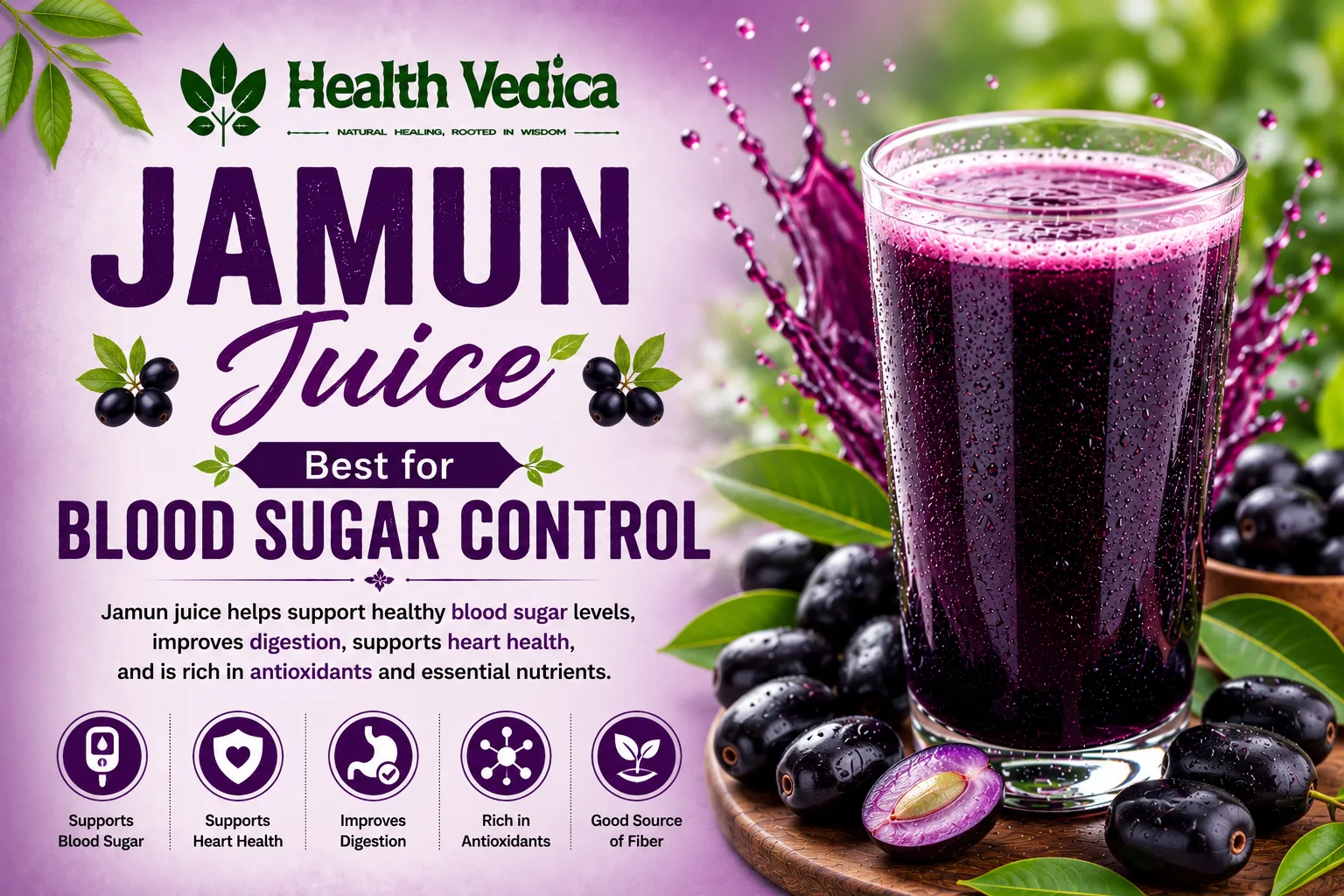
Jamun Juice, extracted from Syzygium cumini — the Indian Blackberry or Java Plum — is one of the most uniquely Indian superfoods with no direct Western equivalent. Known as Jamun (Hindi), Naaval Pazham (Tamil), and Java Plum (English), this deep purple berry and its juice have been used for centuries in Ayurveda to manage diabetes, purify blood, and support digestive health. Jamun season (June–September) is eagerly awaited across India, and the fruit holds cultural and religious significance in Hindu traditions.
🧪 Nutritional Value of Jamun Juice (Per 100ml)
| Nutrient | Amount | Daily Value % |
|---|---|---|
| Calories | 62 kcal | 3% |
| Vitamin C | 18 mg | 20% |
| Vitamin A | 48 IU | 1% |
| Iron | 0.19 mg | 1% |
| Calcium | 19 mg | 2% |
| Potassium | 79 mg | 2.3% |
| Anthocyanins (Delphinidin, Cyanidin) | Very High | — |
| Jamboline & Jambosine | High (anti-diabetic) | — |
| Ellagic Acid | Present | — |
| Glycemic Index | Low (25) | — |
🌺 Ayurvedic Properties
In Ayurveda, Jamun (Jambul) is described as Kashaya (astringent), Madhura (sweet), and Amla (sour) with a cooling Virya. It primarily pacifies Pitta and Kapha. Its seeds, leaves, and fruit are all used medicinally. Jamun is classified as Prameha hara — a specific remedy for Prameha (diabetes and urinary disorders). The seeds (Jambu Beeja Churna) are a staple Ayurvedic diabetes remedy that has been prescribed for centuries.
💚 Health & Healing Benefits
1. Diabetes & Blood Sugar Control: Jamun's signature health benefit — Jamboline and Jambosine are unique alkaloids found only in jamun that inhibit starch conversion to sugar, reducing postprandial glucose spikes. The seed powder is a proven Ayurvedic remedy for Type 2 diabetes management.
2. Blood Purification: The deep purple anthocyanins neutralize blood toxins, reduce oxidative stress in red blood cells, and improve overall blood quality — making it a traditional Indian 'blood tonic.'
3. Digestive Health: Jamun juice is astringent in nature — extremely effective for managing diarrhea, dysentery, and digestive infections. The tannins in jamun tighten the gut lining and reduce excess fluid secretion.
4. Liver Protection: Jamun contains bioactive compounds that protect hepatocytes (liver cells), reduce liver inflammation, and have shown activity against liver fibrosis in research studies.
5. Oral & Dental Health: Astringent and antibacterial properties make jamun juice effective against gingivitis, bad breath, mouth ulcers, and bacterial dental infections — traditionally used as a mouth rinse.
6. Anemia Support: Jamun juice improves hemoglobin levels and supports red blood cell production, particularly beneficial for menstruating women and growing children.
7. Skin Health & Anti-Aging: The antioxidant-rich anthocyanins reduce acne, control excess sebum production, reduce blemishes, and protect against UV-induced skin damage.
8. Weight Management: Very low glycemic index (25), minimal calories, and appetite-suppressing fiber make jamun juice an excellent inclusion in weight loss diets.
🕐 Best Time & How to Drink
Best consumed fresh during the season. Drink 50–100 ml of pure jamun juice daily. Optimal timing is mid-morning or before meals for blood sugar management. Avoid drinking milk immediately after jamun as it may cause digestive discomfort.
💡 Preparation Tips
Remove seeds (save for churna preparation), blend pulp with minimal water, and strain. The juice is naturally tangy — add black salt or rock salt to enhance flavor. Jamun juice can be mixed with amla juice for enhanced antioxidant and anti-diabetic effects. Jamun seed powder can be dried and stored for year-round use.
⚠️ Precautions
Avoid consuming on an empty stomach as it may cause acidity or nausea. Not recommended immediately before or after meals. Diabetics on medication should monitor blood sugar carefully as jamun can cause hypoglycemia when combined with diabetes drugs. Avoid excess during pregnancy.
🇮🇳 Indian Dietary Uses
Consumed fresh in summer, as juice, jam, wine (Jamun wine is popular in Goa), and vinegar. Jamun seed powder (Jambu Beeja Churna) is a widely prescribed Ayurvedic diabetes supplement. The fruit is offered during religious rituals and is mentioned in ancient Indian texts including the Ramayana.