🔍 What is Diabetes?
Diabetes mellitus is a chronic metabolic disorder characterized by elevated blood glucose (hyperglycemia) resulting from defects in insulin secretion, insulin action, or both. India is called the Diabetes Capital of the World — with over 101 million people with diabetes (2023 ICMR data), representing approximately 11.4% of the Indian adult population. Another 136 million Indians have prediabetes — at high risk of progressing to Type 2 diabetes. This enormous burden carries massive health consequences — diabetes is a leading cause of heart disease, kidney failure, blindness, lower limb amputations, and nerve damage in India. The positive news: Type 2 diabetes is largely preventable, and all types are highly manageable with proper care.
📊 Types of Diabetes
| Type | Cause | Treatment | Prevalence India |
|---|---|---|---|
| Type 1 Diabetes (T1D) | Autoimmune destruction of pancreatic beta cells — absolute insulin deficiency | Insulin therapy (mandatory, lifelong) | ~5% of diabetics |
| Type 2 Diabetes (T2D) | Progressive insulin resistance + relative insulin deficiency; lifestyle-related | Lifestyle + oral medications + eventually insulin | ~90–95% of diabetics; rapidly increasing |
| Gestational Diabetes (GDM) | Insulin resistance during pregnancy; resolves after delivery but increases T2D risk | Diet, lifestyle, insulin if needed | 14–17% of Indian pregnancies |
| MODY (Monogenic) | Single gene mutations affecting beta cell function | Varies by type; often sulfonylurea or insulin | Rare; often misdiagnosed as T1D/T2D |
| Type 3c (Pancreatogenic) | Secondary to pancreatic disease (pancreatitis, surgery) | Insulin usually required | Underdiagnosed in India |
🩺 Diagnostic Criteria
| Test | Normal | Prediabetes | Diabetes |
|---|---|---|---|
| Fasting Blood Glucose (FBG) | Below 100 mg/dL | 100–125 mg/dL | 126 mg/dL or higher |
| 2-hr Post-Meal Glucose (PPBG) | Below 140 mg/dL | 140–199 mg/dL | 200 mg/dL or higher |
| HbA1c (Glycated Hemoglobin) | Below 5.7% | 5.7–6.4% | 6.5% or higher |
| Random Blood Glucose (with symptoms) | — | — | 200 mg/dL or higher |
💊 Medical Management
| Medication Class | Examples | Mechanism | Key Benefit |
|---|---|---|---|
| Biguanides | Metformin (first-line) | Reduces liver glucose production, improves insulin sensitivity | Weight neutral, cardiovascular protection, inexpensive |
| Sulfonylureas | Glipizide, Gliclazide, Glimepiride | Stimulates insulin secretion | Effective, affordable; risk of hypoglycemia |
| DPP-4 Inhibitors | Sitagliptin, Vildagliptin, Teneligliptin | Increase incretin hormones — glucose-dependent insulin release | Weight neutral, low hypoglycemia risk; popular in India |
| SGLT-2 Inhibitors | Dapagliflozin, Empagliflozin | Increase urinary glucose excretion | Weight loss, cardiovascular and kidney protection |
| GLP-1 Receptor Agonists | Semaglutide (Ozempic), Liraglutide | Increases insulin, reduces glucagon, delays gastric emptying | Significant weight loss, cardiovascular protection |
| Insulin | Multiple types | Replaces or supplements insulin | T1D essential; T2D when oral meds insufficient |
🌿 Ayurvedic Perspective (Prameha/Madhumeha)
Diabetes is described as Prameha in Ayurveda — a group of urinary disorders characterized by excessive, turbid, and sweet urine. The specific form corresponding to Type 2 diabetes is Madhumeha (literally 'honey urine'). Ancient Ayurvedic texts described Madhumeha with remarkable accuracy including its hereditary nature, association with obesity and sedentary lifestyle (Santarpana Janya Vyadhi), and its complications. Ayurvedic management involves Apatarpana therapy (reducing excess nourishment), Vyayama (exercise), and specific anti-diabetic herbs. Key evidence-based Ayurvedic anti-diabetic herbs include Bitter Gourd/Karela (polypeptide-p and charantin — insulin-like activity), Fenugreek/Methi (4-hydroxyisoleucine — stimulates insulin secretion; clinical trials confirm significant HbA1c reduction), Gurmar (Gymnema sylvestre) — literally 'sugar destroyer,' inhibits sugar absorption and stimulates insulin secretion; gold-standard evidence, Vijaysar (Pterocarpus marsupium) — the celebrated 'diabetic wood' water glass (teak wood goblet for drinking water), Amla (Vitamin C + chromium — improves insulin sensitivity), and Nisha Amalaki (turmeric + amla — classical formulation with strong clinical evidence).
🥗 Indian Diabetic Diet Guide
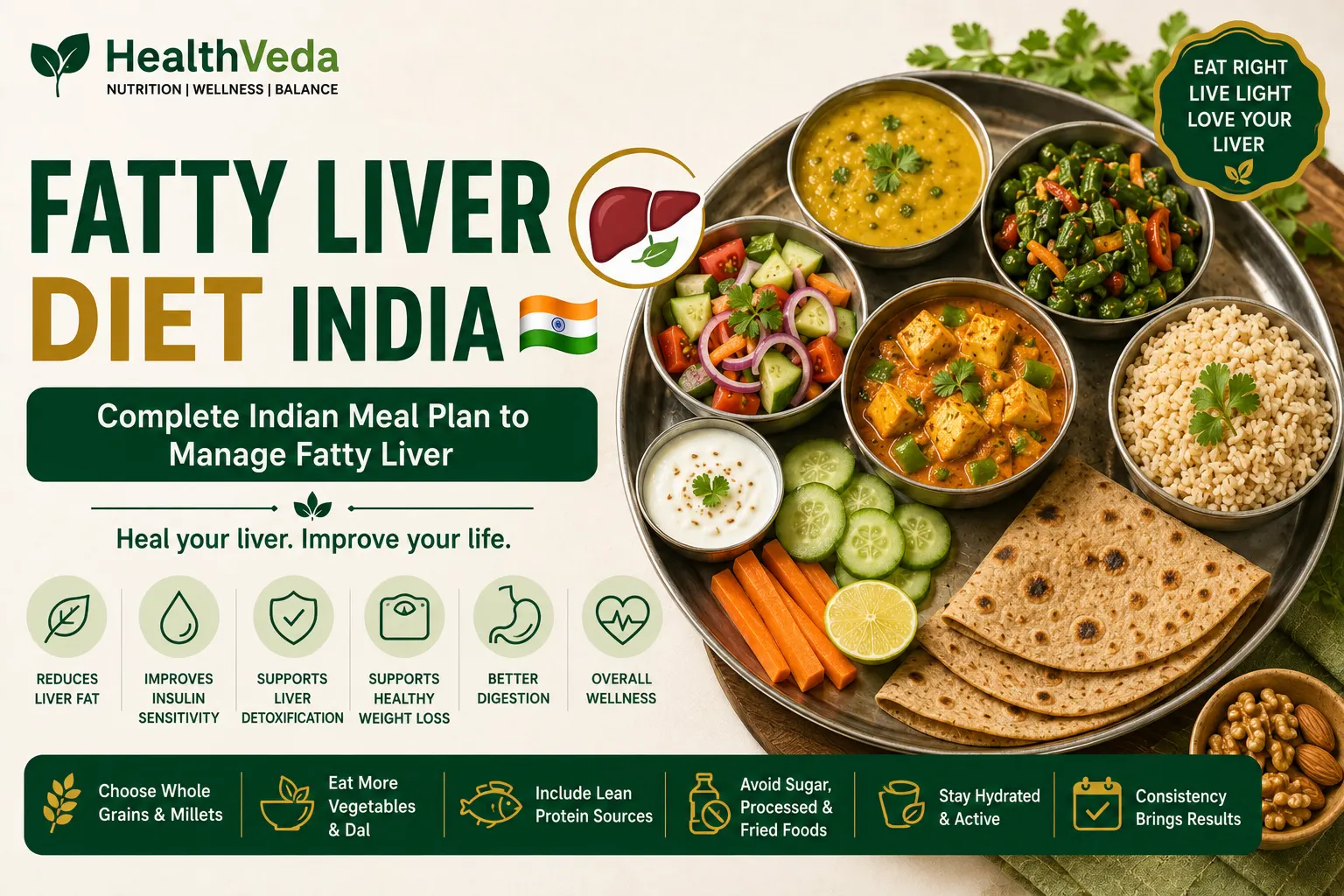
The Plate Method for Indians: Fill half the plate with non-starchy vegetables (salad, green vegetables, cucumber, tomatoes), quarter with protein (dal, paneer, eggs, fish, chicken without skin), quarter with complex carbohydrates (brown rice, whole wheat roti, millets). This balance manages blood sugar spikes effectively.
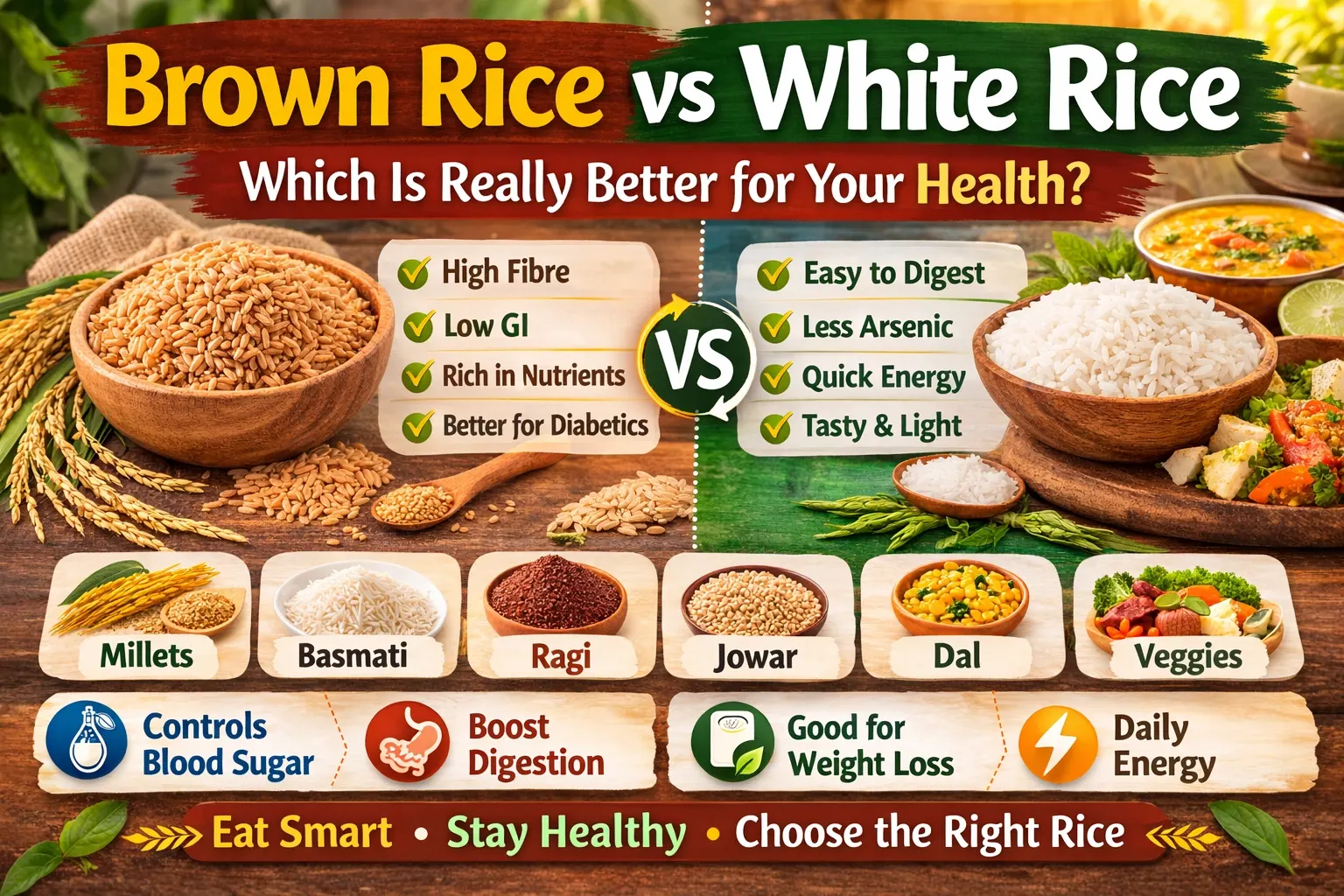
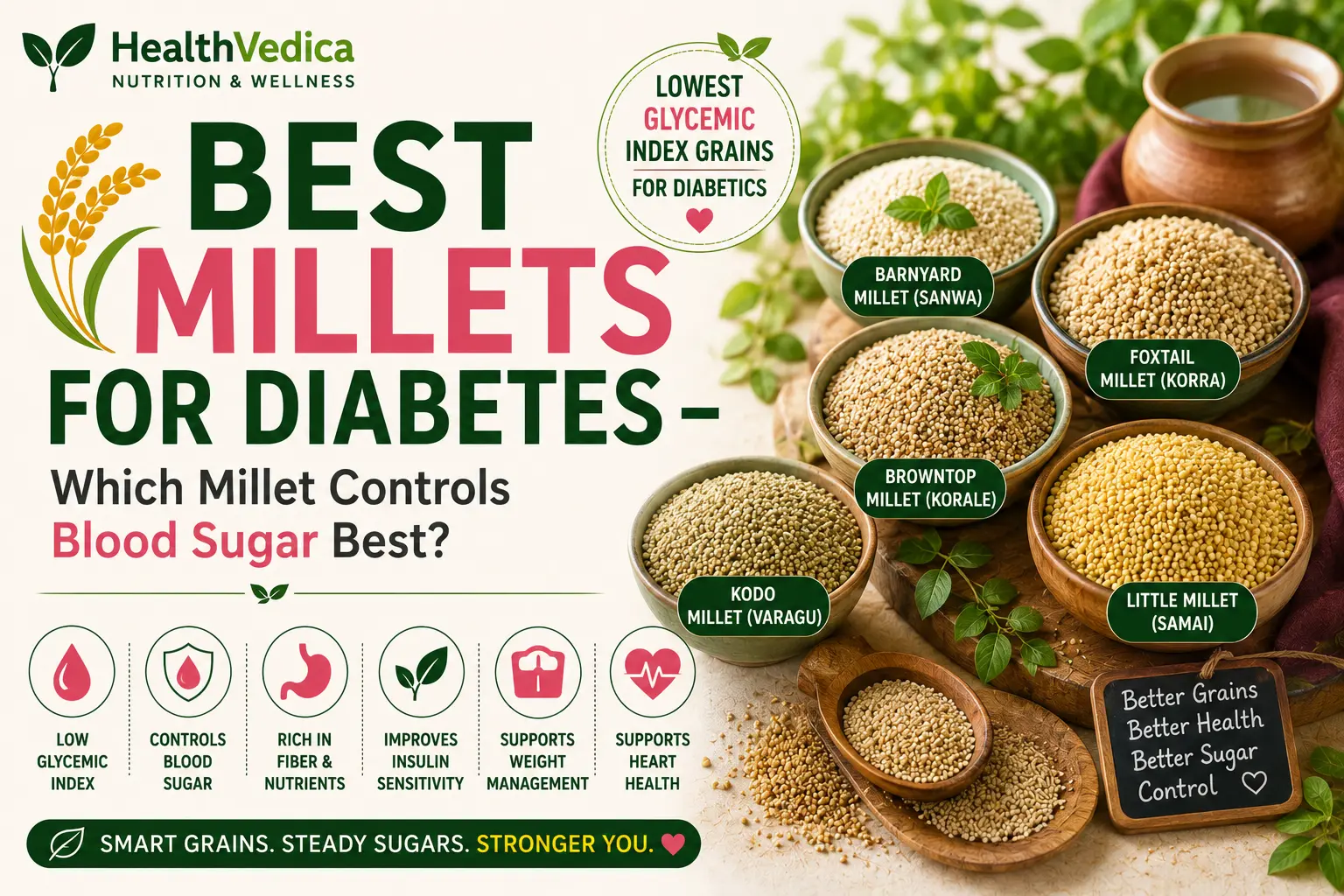
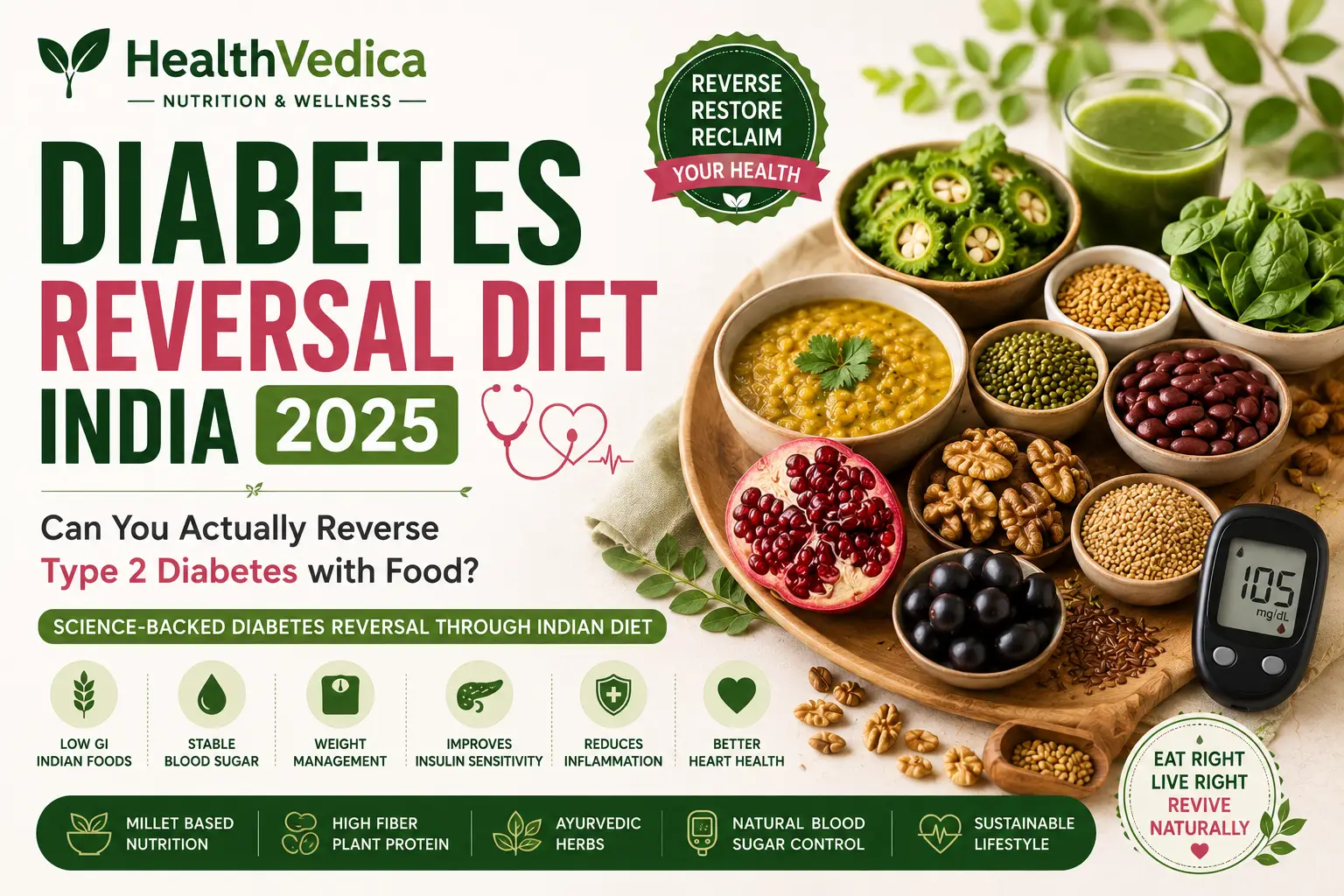
Best Foods for Indian Diabetics: Millets (ragi, jowar, bajra — low glycemic, high fiber), barley (beta-glucan reduces post-meal glucose surge), bitter gourd/karela, fenugreek/methi seeds (soak overnight, chew in morning), cinnamon (dalchini — proven insulin-sensitizing effect), amla, turmeric with black pepper, legumes and dals (low glycemic, high protein + fiber), leafy greens, and nuts in moderation.
Foods to Limit: White rice (replace with millets or limited brown rice), maida/white flour products, sugar and sugary drinks, root vegetables in excess (potato, yam — high glycemic), fruit juices (whole fruit is better — fiber slows absorption), packaged snacks, sweets/mithai, and alcohol.
🏃 Exercise for Diabetes Management
Exercise is as powerful as medication for blood sugar control. After eating, a 15–30 minute walk significantly reduces postprandial glucose spike. Aim for 150 minutes of moderate-intensity exercise weekly. Resistance training (weights, bodyweight exercises) 2–3 times weekly improves insulin sensitivity for 24–48 hours after each session. Yoga has strong Indian clinical evidence for diabetes management — specifically Surya Namaskar, Paschimottanasana, Ardha Matsyendrasana, and Mandukasana target abdominal fat and improve insulin sensitivity. Monitor blood glucose before and after exercise initially to understand your individual response.