🔍 What is Acne?
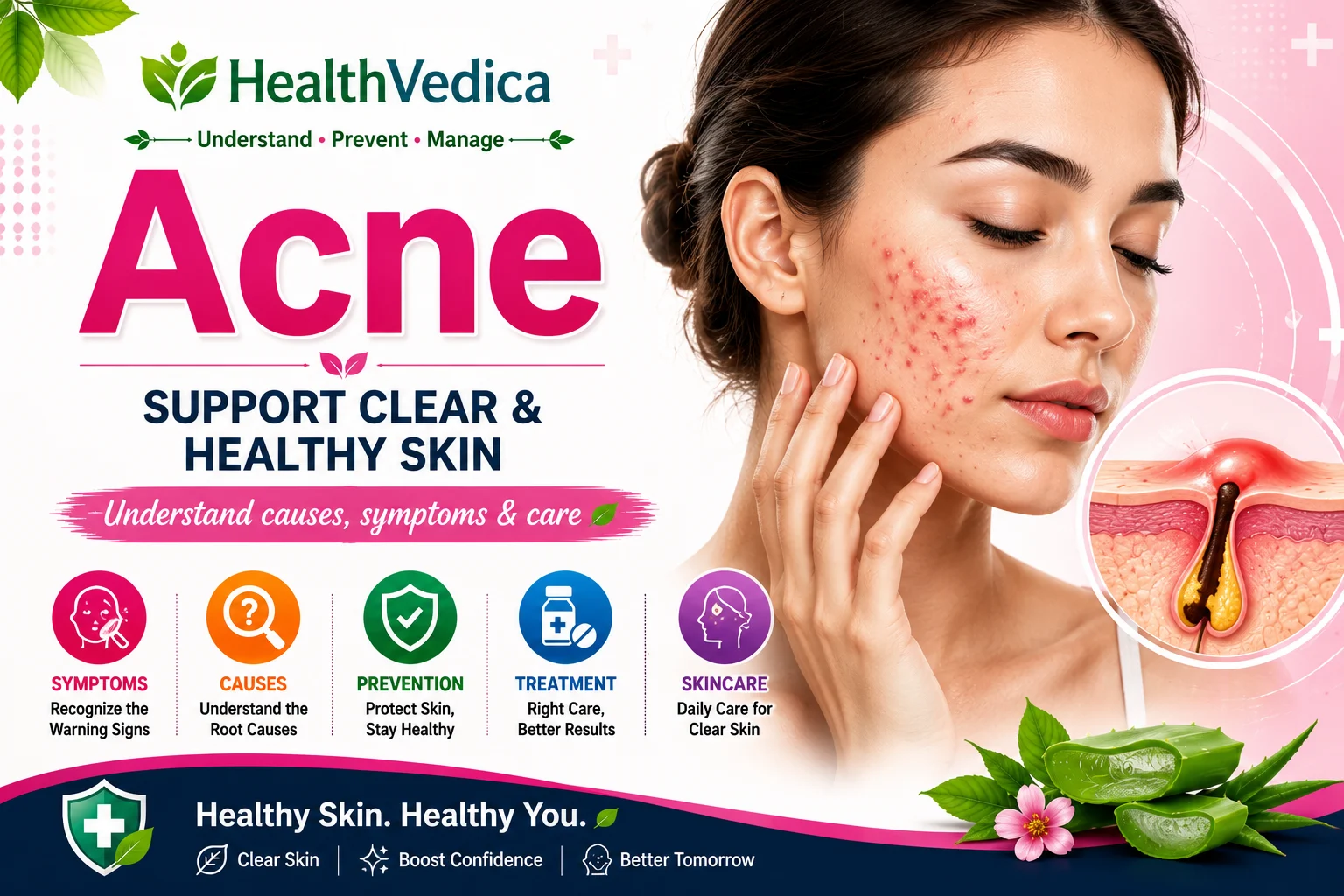
Acne is one of the most common skin conditions worldwide, affecting approximately 85% of people between the ages of 12 and 24, and millions of adults beyond. It occurs when hair follicles become clogged with oil (sebum), dead skin cells, and bacteria. Acne manifests as blackheads, whiteheads, pimples, nodules, and cysts — primarily on the face, back, chest, and shoulders where sebaceous (oil) glands are most concentrated. In India, acne is aggravated by heat, humidity, pollution, hormonal fluctuations, and dietary habits. While it is rarely a serious medical threat, it can significantly impact self-esteem and quality of life, and severe forms can cause permanent scarring.
⚠️ Types of Acne
| Type | Description | Severity |
|---|---|---|
| Blackheads (Open Comedones) | Clogged pores open at the skin surface, oxidized sebum appears black | Mild |
| Whiteheads (Closed Comedones) | Clogged pores closed at the skin surface | Mild |
| Papules | Small red, inflamed bumps without pus | Moderate |
| Pustules | Pimples with visible white/yellow pus at tip | Moderate |
| Nodules | Large, painful solid lumps deep in skin | Severe |
| Cysts | Painful pus-filled lumps that can cause scarring | Severe |
| Hormonal Acne | Appears along jawline/chin, linked to hormonal fluctuations | Moderate–Severe |
🧬 Causes & Risk Factors
Primary Causes: Excess sebum (oil) production by sebaceous glands, proliferation of Cutibacterium acnes (C. acnes) bacteria, clogging of hair follicles with dead skin cells, and inflammation of surrounding tissue form the core acne mechanism.
Hormonal Triggers: Androgens (testosterone and DHT) surge during puberty, menstrual cycles, pregnancy, and hormonal conditions like PCOS, causing sebaceous glands to enlarge and produce more sebum. This explains why hormonal acne is common in Indian women with PCOD/PCOS.
Dietary Factors: High glycemic index foods (white rice, maida, sugary foods) spike insulin and IGF-1 (insulin-like growth factor), triggering sebum overproduction. Dairy — especially skimmed milk — is associated with acne due to its hormone and whey content. Indian diets heavy in fried foods and refined carbohydrates can worsen acne significantly.
Other Triggers: Stress (elevates cortisol), certain medications (steroids, oral contraceptives, lithium), heavy or comedogenic cosmetics, humid climate and sweating, poor sleep, and genetic predisposition all contribute to acne development.
🩺 Symptoms & Diagnosis
Acne is diagnosed clinically by a dermatologist through visual examination. Symptoms include oily skin, clogged pores (comedones), inflamed pimples, nodules or cysts, and post-inflammatory hyperpigmentation (dark spots) common in Indian skin tones. A dermatologist may test hormone levels if hormonal acne is suspected. Acne severity is graded (Grade 1–4 or mild/moderate/severe) to guide treatment.
💊 Medical Treatment Options
| Treatment Type | Examples | Best For |
|---|---|---|
| Topical Retinoids | Tretinoin, Adapalene | Comedonal & inflammatory acne |
| Topical Antibiotics | Clindamycin, Erythromycin | Mild–Moderate inflammatory acne |
| Benzoyl Peroxide | 2.5%–10% formulations | Killing C. acnes bacteria |
| Salicylic Acid | 0.5%–2% cleansers/toners | Comedonal (blackhead/whitehead) acne |
| Oral Antibiotics | Doxycycline, Minocycline | Moderate–Severe inflammatory acne |
| Hormonal Therapy | OCP, Spironolactone | Hormonal acne in women |
| Isotretinoin (Accutane) | Oral retinoid | Severe cystic/nodular acne |
| Chemical Peels | AHA, BHA, TCA peels | Scarring, pigmentation, active acne |
🌿 Ayurvedic Perspective on Acne (Mukhadushika)
In Ayurveda, acne is called Mukhadushika — literally 'that which spoils the face.' It is primarily caused by vitiation of Pitta and Kapha doshas along with Rakta (blood) and Meda (fat) dhatus. Excess Pitta causes inflammation and infection; excess Kapha causes blockage and oiliness. Treatment focuses on purifying the blood (Rakta Shodhana), reducing Pitta, and improving liver function. Key Ayurvedic remedies include Neem (Nimba), Turmeric (Haridra), Manjistha (Indian Madder), and Chandanasava.
🏠 Home Remedies & Natural Treatments
| Remedy | Preparation | How It Works |
|---|---|---|
| Neem + Turmeric Paste | Mix neem leaf powder + turmeric + rose water into paste, apply 20 min, rinse | Antibacterial (neem), anti-inflammatory (turmeric), antioxidant |
| Multani Mitti (Fuller's Earth) Pack | Mix with rose water or neem water, apply 15–20 min, rinse with cold water | Absorbs excess sebum, unclogs pores, cools skin |
| Aloe Vera Gel | Apply fresh aloe vera gel on clean skin, leave overnight | Antibacterial, anti-inflammatory, promotes healing |
| Honey + Cinnamon Mask | Mix 1 tsp raw honey + 1/4 tsp cinnamon, apply on spots for 15 min | Antibacterial, anti-inflammatory, promotes healing |
| Tea Tree Oil (Diluted) | Dilute 1 drop in 9 drops carrier oil, apply on spots with cotton | Proven antibacterial comparable to 5% benzoyl peroxide |
| Apple Cider Vinegar Toner | Dilute 1:4 with water, apply with cotton pad after cleansing | Antimicrobial, restores skin pH, reduces bacteria |
| Ice Therapy | Wrap ice in cloth, apply on pimple for 1–2 min, 2–3 times daily | Reduces inflammation, redness, and swelling rapidly |
🥗 Anti-Acne Diet for Indian Skin
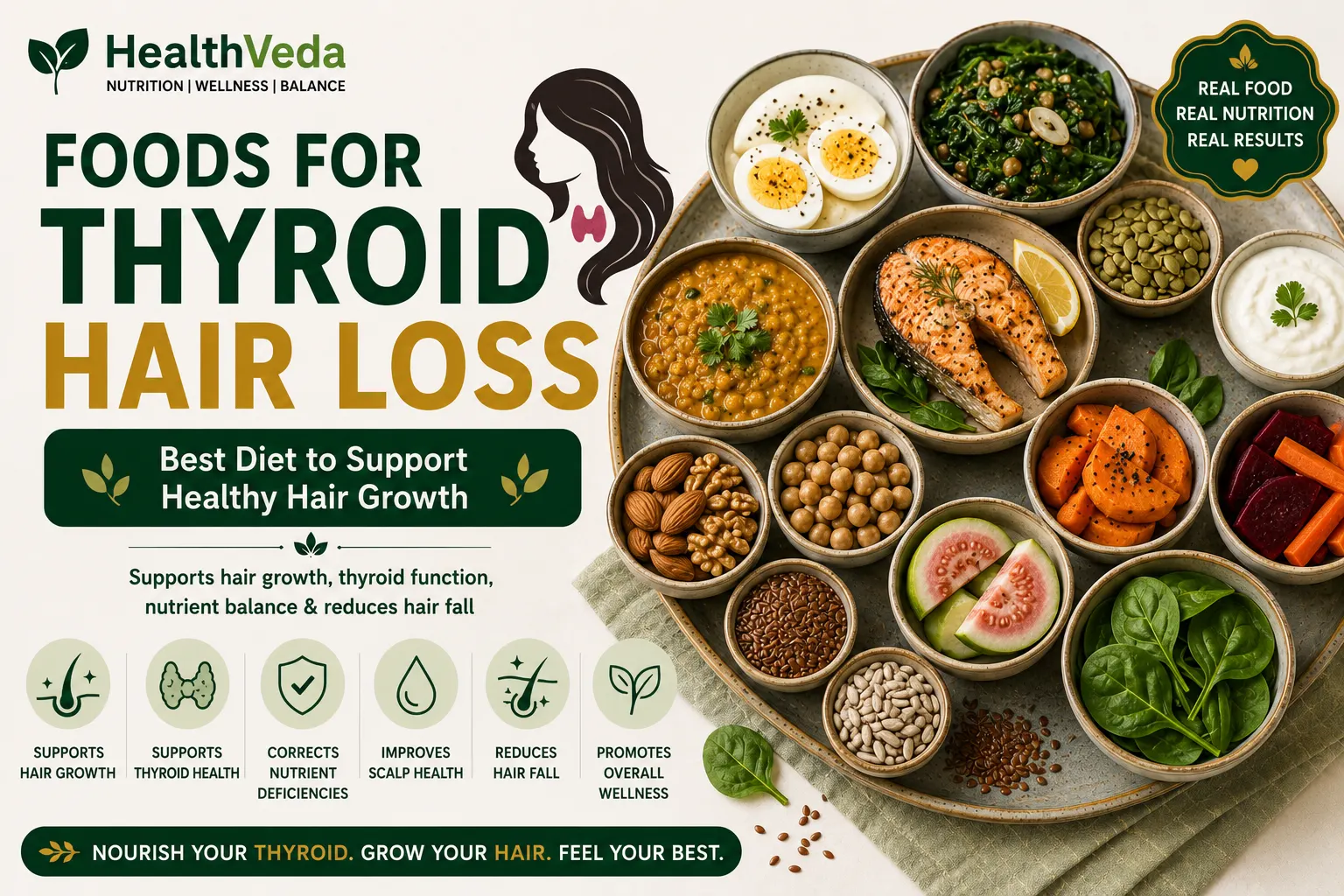
Foods to Include: Green leafy vegetables, fresh fruits (especially papaya, pomegranate, amla), turmeric milk, neem juice, cucumber, watermelon, omega-3 rich foods (flaxseeds, walnuts), probiotics (curd/yogurt), zinc-rich foods (pumpkin seeds, chickpeas), and plenty of water (8–10 glasses daily).
Foods to Reduce/Avoid: White rice and refined flour (maida), sugary foods and beverages, fried foods (samosas, pakoras, chips), excessive dairy especially milk, processed foods with preservatives, spicy foods that aggravate Pitta, and chocolate.
🧴 Indian Skincare Routine for Acne-Prone Skin
Morning: Gentle foaming face wash (salicylic acid or neem-based) → Toner (witch hazel or rose water) → Light non-comedogenic moisturizer → Broad-spectrum SPF 30–50 sunscreen (essential in India's sunny climate).
Night: Double cleanse (oil cleanser to remove sunscreen, then foaming wash) → Exfoliate 2–3x/week with BHA/AHA → Neem-turmeric spot treatment → Light moisturizer or aloe vera gel.
Weekly: Multani mitti face pack, steam (with neem leaves), and gentle physical exfoliation.
💡 Important Tips & Lifestyle Changes
Change pillowcases every 2–3 days as they accumulate bacteria and sebum. Never pop or squeeze pimples — this spreads bacteria and causes scarring. Wash face maximum twice daily — over-washing strips natural oils and causes rebound oiliness. Clean spectacle frames, mobile phone screens, and anything that touches your face regularly. Manage stress through yoga, pranayama, and adequate sleep (7–8 hours). Always apply sunscreen — sun exposure darkens acne scars significantly in Indian skin tones (higher melanin). Choose non-comedogenic makeup labeled 'oil-free.' Stay hydrated and limit alcohol consumption.
⚡ When to See a Doctor
Consult a dermatologist if: acne is severe (cysts, nodules), home remedies show no improvement after 6–8 weeks, acne is leaving permanent scars, it is causing significant distress, or if adult-onset acne appears suddenly (may indicate hormonal disorder or PCOS).