🌿 Introduction
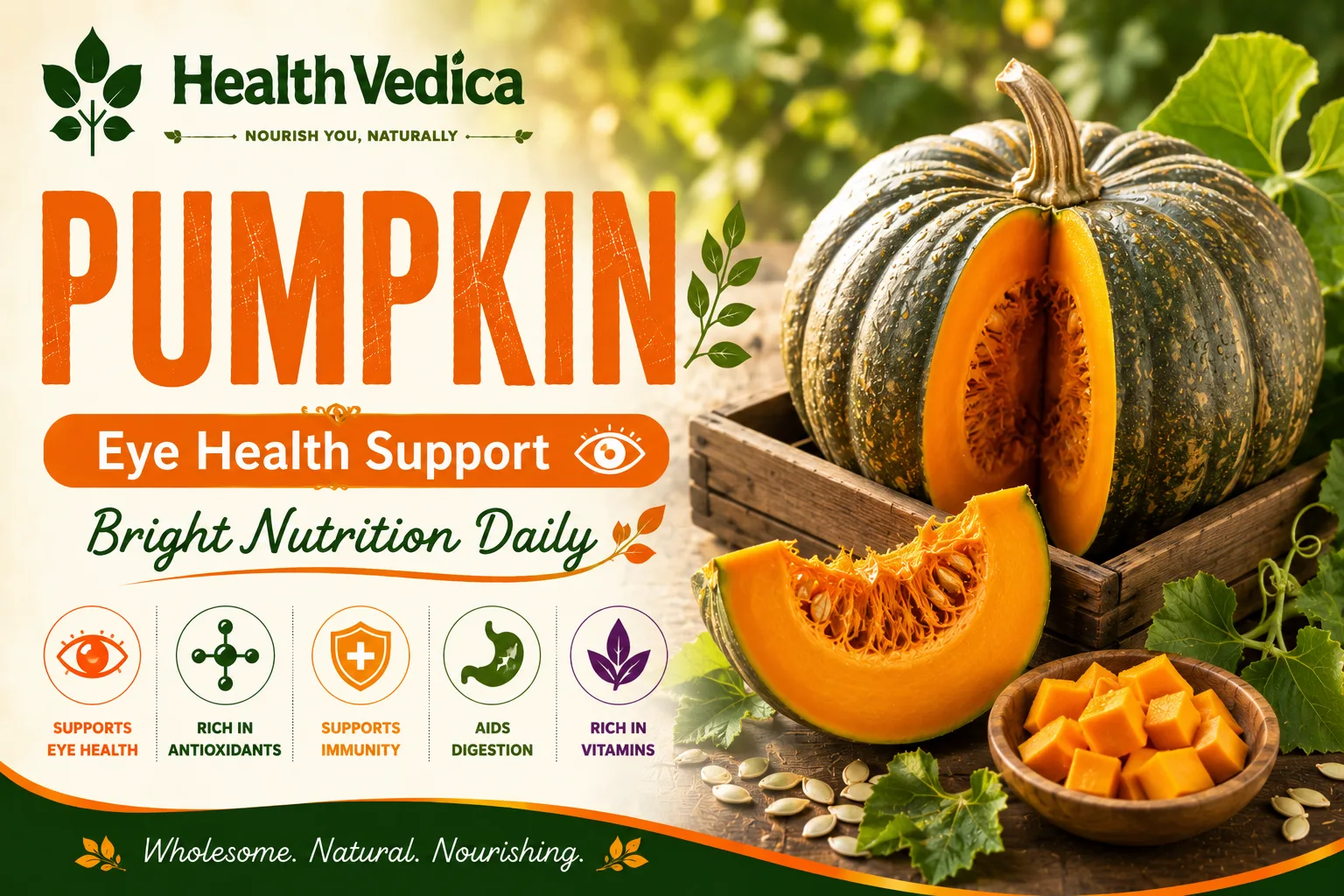
Pumpkin (Cucurbita species), popularly known as Kaddu in India, is a vibrant orange vegetable celebrated for its naturally sweet taste, versatility and exceptional nutritional value. Used extensively in Indian curries, soups, desserts and festive dishes, pumpkin is one of the richest natural sources of beta-carotene, the precursor of vitamin A. It also provides vitamin C, potassium, fiber and numerous antioxidants that support eye health, immunity, heart function and healthy ageing. Beyond its flesh, pumpkin seeds, flowers and leaves are also edible and highly nutritious.
📊 Nutritional Value Per 100g of Pumpkin
| Nutrient | Amount | % Daily Value (DV) |
|---|---|---|
| Calories | 26 kcal | 1% |
| Protein | 1.0 g | 2% |
| Total Fat | 0.1 g | <1% |
| Carbohydrates | 6.5 g | 2% |
| Dietary Fiber | 0.5 g | 2% |
| Natural Sugars | 2.8 g | — |
| Vitamin A | 851 mcg RAE | 95% |
| Beta-Carotene | 3100 mcg | — |
| Vitamin C | 9 mg | 10% |
| Potassium | 340 mg | 7% |
| Vitamin E | 1.1 mg | 7% |
| Magnesium | 12 mg | 3% |
| Water | 91.6 g | — |
📉 Glycemic Index
Pumpkin has a moderate glycemic index of around 65–75. However, its glycemic load is low because it contains relatively few carbohydrates per serving, making moderate portions suitable for most healthy individuals and many people with diabetes as part of a balanced meal.
🧬 Powerful Plant Compounds
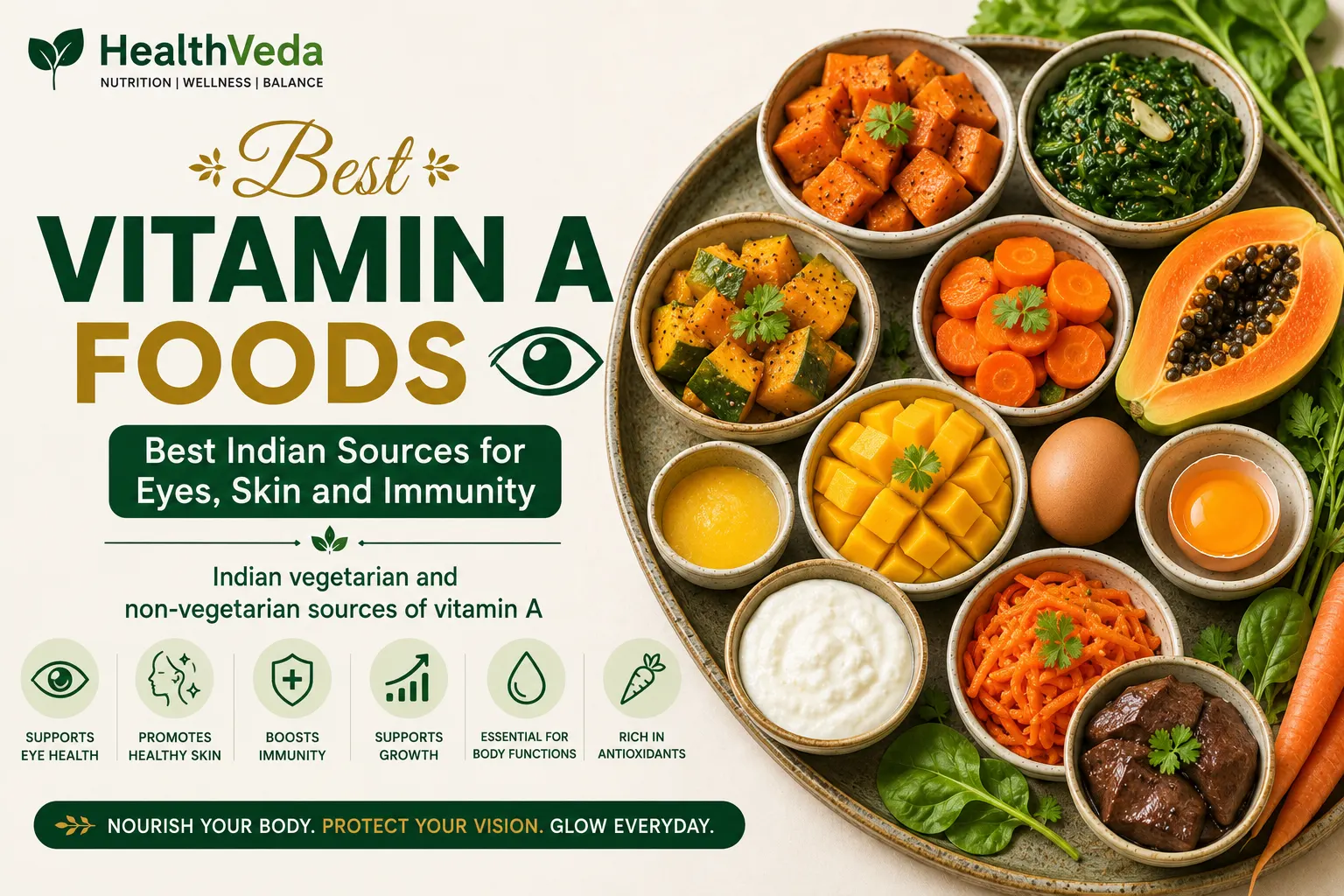
Pumpkin contains abundant beta-carotene, alpha-carotene, lutein, zeaxanthin, cryptoxanthin, vitamin C and various polyphenols. These antioxidants help protect cells from oxidative stress, support healthy vision and contribute to immune function.
💊 Vitamins & Minerals Explained
Beta-carotene converts into vitamin A, supporting eyesight, immunity and skin health. Potassium contributes to healthy blood pressure, while vitamin C supports collagen formation and immune defenses. Vitamin E provides additional antioxidant protection.
🕉️ Ayurvedic Properties & Dosha Effect
According to Ayurveda, pumpkin possesses a Madhura (sweet) taste with a cooling potency (Sheeta Veerya). It nourishes body tissues, supports digestion without aggravating heat and helps balance Pitta and Vata Doshas. Excessive consumption may increase Kapha Dosha because of its naturally sweet nature.
💚 Evidence-Based Health Benefits
Excellent for Eye Health: Pumpkin is exceptionally rich in beta-carotene, lutein and zeaxanthin, which help maintain healthy vision and reduce oxidative damage to the retina.
Strengthens Immunity: Vitamin A and vitamin C work together to support immune cell function and strengthen the body's natural defense system.
Supports Heart Health: Potassium helps maintain healthy blood pressure, while antioxidants support healthy blood vessels.
Healthy Skin: Vitamin A, vitamin C and carotenoids contribute to collagen formation and healthy skin renewal.
Supports Weight Management: Pumpkin is naturally low in calories while providing high water content that promotes fullness.
Digestive Wellness: The water and fiber content help support normal bowel movements and digestive comfort.
Antioxidant Protection: Carotenoids help protect cells against oxidative stress associated with ageing.
👨👩👧 Who Should Eat Pumpkin?
Pumpkin is suitable for children, pregnant women, older adults, athletes, individuals seeking eye health support and anyone looking for a nutrient-rich, low-calorie vegetable.
🚫 Who Should Limit Pumpkin?
People with diabetes should monitor portion sizes because cooked pumpkin has a moderate glycemic index, although its glycemic load remains relatively low. Individuals with rare pumpkin allergies should avoid it.
🌿 Healthy Recipes & Home Remedies
Pumpkin Soup: Blend cooked pumpkin with garlic, black pepper and herbs for a comforting soup.
Kaddu Sabzi: Traditional Indian pumpkin curry prepared with cumin, turmeric and coriander.
Pumpkin Smoothie: Blend cooked pumpkin with yogurt, cinnamon and banana for a nutritious breakfast.
Roasted Pumpkin: Bake pumpkin cubes with olive oil and herbs as a healthy side dish.
Pumpkin Halwa: Prepare a healthier version using jaggery and limited ghee.
🥗 Best Ways to Eat Pumpkin
Lightly steaming or roasting pumpkin improves the availability of beta-carotene. Pairing pumpkin with healthy fats like olive oil, nuts or seeds further enhances carotenoid absorption.
🍽️ Best Food Combinations
Pumpkin pairs well with lentils, ginger, cinnamon, turmeric, black pepper, olive oil, pumpkin seeds, spinach, chickpeas and yogurt.
🧊 Storage Tips
Whole pumpkins can be stored in a cool, dry place for several weeks. Cut pumpkin should be refrigerated in an airtight container and consumed within 3–5 days.
📅 Daily Recommended Intake
100–200 grams of cooked pumpkin daily is suitable for most healthy adults as part of a balanced diet.
⚠️ Precautions
Pumpkin is generally very safe. However, consuming excessive amounts over prolonged periods may contribute to carotenemia—a harmless yellow-orange discoloration of the skin caused by very high beta-carotene intake. This condition resolves after reducing intake.
🔬 Scientific Highlights
Research consistently shows that pumpkin is one of the richest dietary sources of beta-carotene. Numerous studies associate carotenoid-rich diets with improved eye health, enhanced immune function, reduced oxidative stress and better cardiovascular health. Pumpkin seeds have also been widely studied for prostate, heart and metabolic health.
📚 Traditional Ayurvedic References
- Charaka Samhita
- Bhavaprakasha Nighantu
- USDA FoodData Central
- Modern Nutrition Research on Carotenoids
❌ Common Myths & Facts
❌ Myth: Pumpkin is only useful during festivals.
✅ Fact: Pumpkin is a nutritious everyday vegetable packed with vitamins and antioxidants.
❌ Myth: Pumpkin contains too much sugar.
✅ Fact: Pumpkin is naturally low in calories and carbohydrates. Moderate servings fit well into balanced diets.
❌ Myth: Only pumpkin seeds are healthy.
✅ Fact: The flesh, seeds, flowers and leaves all provide valuable nutrients and can be included in healthy meals.
🌍 Fun Facts
- Pumpkin belongs to the same family as cucumber, watermelon and squash.
- Some pumpkins can weigh over 1,000 kilograms in world competitions.
- Pumpkin flowers are edible and commonly used in traditional cuisines.
- India is one of the world's largest pumpkin-producing countries.
- Orange pumpkins obtain their color from beta-carotene, a powerful antioxidant.
🥬 Edible Parts & Their Benefits
| Edible Part | Health Benefits |
|---|---|
| Flesh | Rich in beta-carotene, vitamin A and antioxidants for eye health. |
| Seeds | Excellent source of protein, magnesium, zinc and healthy fats that support heart, prostate and immune health. |
| Leaves | Contain vitamin C, calcium, iron and dietary fiber. |
| Flowers | Low in calories and rich in antioxidants; commonly used in traditional recipes. |