🌿 Introduction
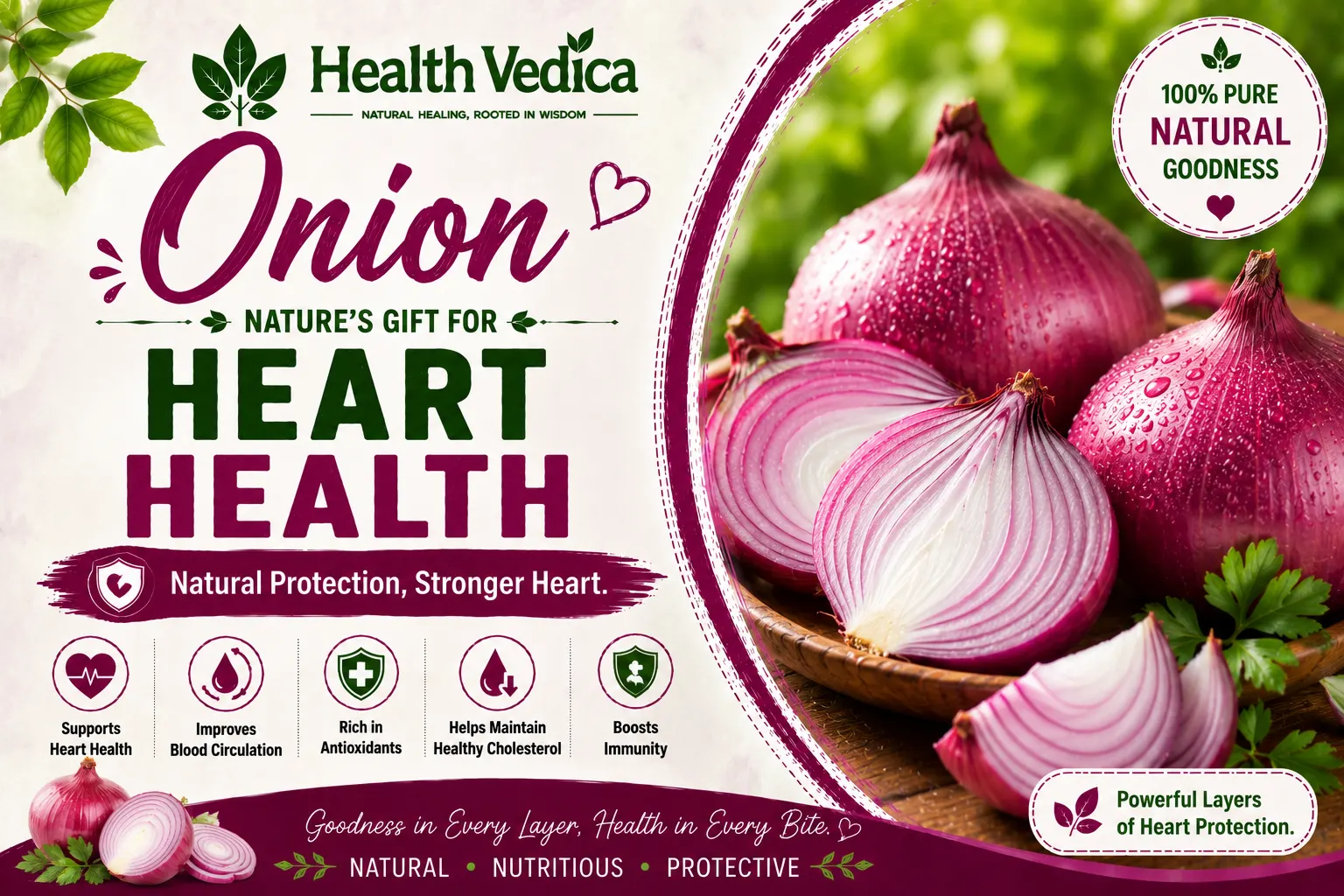
Onion, known as Pyaaz or Kanda in India, is one of the oldest and most universally used vegetables in Indian cooking and traditional medicine. A staple in every Indian kitchen, onions are rich in quercetin, sulfur compounds, and prebiotics that support heart health, immunity, and gut wellness. Ayurveda and modern science both recognize onions as a powerful medicinal food.
📊 Nutritional Value Per 100g
| Nutrient | Amount | % Daily Value |
|---|---|---|
| Calories | 40 kcal | 2% |
| Carbohydrates | 9.3 g | 3% |
| Protein | 1.1 g | 2% |
| Fat | 0.1 g | 0% |
| Fiber | 1.7 g | 6% |
| Vitamin C | 7.4 mg | 8% |
| Vitamin B6 | 0.12 mg | 7% |
| Folate | 19 mcg | 5% |
| Potassium | 146 mg | 4% |
| Quercetin | 33 mg | — |
| Calcium | 23 mg | 2% |
📉 Glycemic Index
Onions have a low glycemic index (GI of 10–15), making them safe for diabetics. The high quercetin and fiber content helps regulate blood sugar and improve insulin sensitivity.
🕉️ Ayurvedic Properties & Dosha Effect
In Ayurveda, raw onion is considered Rajasic (stimulating) and is avoided in Sattvic diets. Cooked onions are easier to digest and balance Vata dosha. Onions are considered Ushna (heating) in nature and help clear Kapha congestion. They are used traditionally to treat colds, coughs, and respiratory issues.
💚 Health & Healing Benefits
Onions are one of the richest dietary sources of quercetin, a powerful flavonoid antioxidant that reduces inflammation, protects the heart, and has anticancer properties. The organosulfur compounds (like allicin) in onions lower LDL cholesterol, prevent blood clotting, and reduce blood pressure. Onions are a natural prebiotic, feeding beneficial gut bacteria and improving digestive health. They have strong antimicrobial and antiviral properties, making them useful during cold and flu seasons. Regular onion consumption is associated with reduced risk of stomach cancer, colon cancer, and cardiovascular disease.
🍛 Indian Dietary Uses
Onions form the base of most Indian curries, dals, and gravies. They are used raw in salads, pickled as kachumber, caramelized as birista for biryani, and consumed as chutney. Red onions are most common in India and have the highest quercetin content.